


What Is The Proper Way To Shampoo?
Brush before you wet, focus the shampoo on your scalp not your ends, massage for at least two minutes, rinse with lukewarm water, and only condition from mid-length down. Most people rush through shampooing or do it wrong entirely, which is why their hair feels greasy the next day or their color fades too fast.
Shampooing seems simple, but the technique matters more than most people realize. The right approach keeps your scalp healthy, extends your style, and makes your color last longer between appointments. The wrong approach strips your hair, irritates your scalp, and undoes everything your stylist worked on.
I'm Bri, a stylist at The Warehouse Salon in Fairfield and Studio 360 Salon in Chatham. I've lost count of how many clients have told me their hair "just gets oily fast" or "never holds a style," and when I ask about their shampoo routine, I find the problem immediately. Let me tell you about one of them.

What Happens When You Shampoo Wrong?
A client named Tasha came to me complaining that her blowouts never lasted. She was an event coordinator in Hoboken who needed her hair to look polished for work, but by day two, her roots were flat and greasy. She was washing every single day trying to fix it.
"Bri, I don't understand," she said. "I use good shampoo. I wash it every morning. Why does it look like this by lunch?"
I asked her to walk me through exactly how she washed her hair. She said she got in the shower, wet her hair, squeezed shampoo into her palm, rubbed it through her ends, rinsed it out in about 30 seconds, then piled conditioner all over her head.
"There's the problem," I told her. "You're putting shampoo on your ends, which dries them out. You're not actually cleaning your scalp, which is why it's oily. And you're putting conditioner on your roots, which weighs everything down."
She looked at me like I'd told her the earth was flat. "I've been washing my hair like this for 20 years."
We went through the correct technique step by step. I had her come back a week later to report. She was stunned.
"Day three and my hair still has volume. I've never gone three days without washing."
A month later: "I'm down to washing twice a week. My blowouts last almost the whole week now."
Tasha didn't need different products. She needed the right technique. Here's what I taught her.
Choosing the Right Shampoo for Your Hair

Before we talk technique, you need the right shampoo for your hair type. Tasha was using a moisturizing shampoo designed for dry hair, but her hair was fine and oily at the roots. It was too heavy for her and contributed to the greasiness.
Colored hair: If your hair is color-treated, use a sulfate-free shampoo to preserve your color. Sulfates are cleaning agents that can strip color faster. For most color-treated hair, I recommend Abba Pure Color Protection Shampoo. Anyone with red or vivid colors needs something specifically formulated to lock in those pigments.
Oily hair: If your roots get greasy fast like Tasha's, look for lightweight, volumizing formulas that won't weigh hair down. I love the Verb Ghost shampoo and conditioner for oily hair because they clean thoroughly without adding heaviness.
Damaged or brittle hair: Overprocessing, heat styling, and environmental stress can leave hair dry and prone to breakage. For hair missing protein, I recommend Alterna Anti-Aging Bond Repair shampoo and conditioner, but don't overuse it to avoid protein overload. For hair missing moisture, Amika Soulfood mask works beautifully. For severely damaged hair, K18 rebuilds bonds from the inside out.
Scalp issues: If you have dandruff, psoriasis, or chronic flaking, see a dermatologist first to get a proper diagnosis. For general scalp irritation and dryness, the Malibu Scalp Wellness line provides relief without harsh ingredients.
Preparing Your Hair Before You Shower

Brush your hair before you get it wet. This step alone made a difference for Tasha because she was creating tangles in the shower and then ripping through them, which caused breakage. Brushing beforehand removes knots, distributes natural oils, and makes it easier to work shampoo through your strands.
Once you're in the shower, wet your hair thoroughly with warm or lukewarm water. Avoid hot water, even though it feels good. Hot water strips your natural oils faster and can fade color. Tasha was using scalding water because she thought it cleaned better, but it was actually contributing to her scalp overproducing oil to compensate.
How to Actually Apply Shampoo
This is where most people go wrong. Shampoo goes on your scalp, not your ends. Your scalp produces oil and accumulates product buildup. Your ends don't. When you work the shampoo through your scalp and rinse, the suds running down will clean your ends without drying them out.
Tasha had been doing the opposite for 20 years. She'd squeeze shampoo into her hands, rub it through her mid-lengths and ends, barely touch her scalp, and wonder why her roots were greasy and her ends were fried. Once she flipped her technique, everything changed.
Use about a quarter-sized amount for medium-length hair, more if your hair is very long or thick. Apply it directly to your scalp in sections, not in one glob on top of your head.
Massaging Your Scalp

Once the shampoo is on your scalp, massage it in with your fingertips using circular motions. Not your nails, your fingertips. Scrubbing with your nails can irritate your scalp and cause micro-abrasions. The massage should last at least two minutes, ideally up to five.
This is the step Tasha was rushing through. She'd spend maybe 30 seconds rubbing shampoo around before rinsing. Two minutes feels long when you're standing in the shower, but it's what your scalp actually needs to get clean. The massage also stimulates blood flow, which helps with healthy hair growth. Tasha said her hair actually started growing faster once she committed to the full two-minute massage.
If your hair tends to get oily fast or you use a lot of styling products, consider shampooing twice. The first wash removes surface buildup, and the second wash actually cleans your scalp. This helps your hair stay fresh longer between washes.
Rinsing Properly
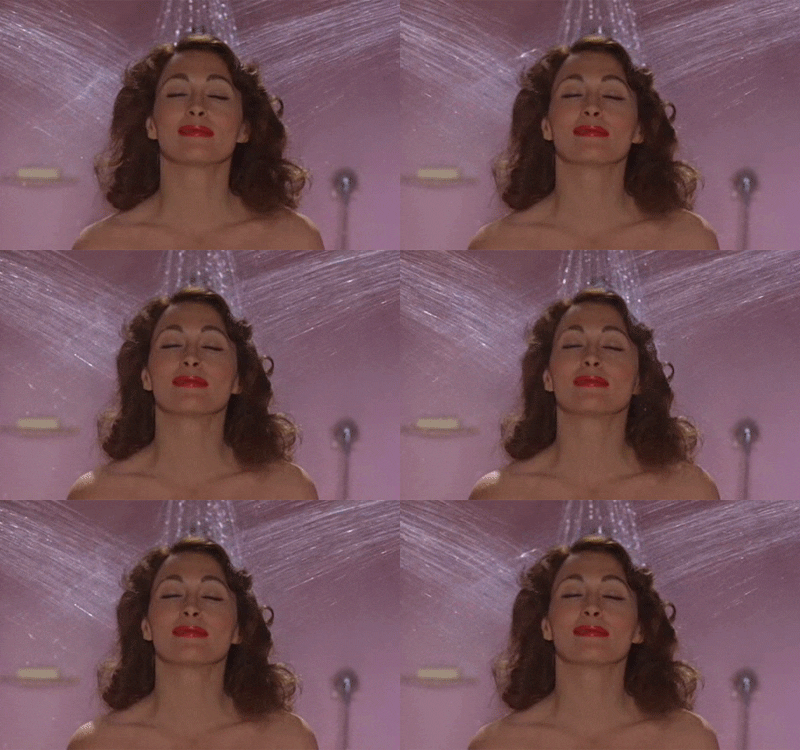
Rinse with lukewarm water until every bit of lather is gone. Run your fingers through your hair while rinsing to make sure no shampoo is hiding near your scalp or behind your ears. Leftover shampoo causes itching, flaking, and buildup that makes hair look dull.
Tasha was rinsing for about 10 seconds and moving on. She still had product sitting on her scalp, which was clogging her follicles and making her roots look greasy faster. Now she rinses for a full minute and her hair stays cleaner longer.
Conditioning the Right Way

Conditioner goes on your mid-lengths and ends only. Never on your scalp, never on your roots. Your scalp produces its own moisture. Adding conditioner there just weighs your hair down and makes it greasy faster. Tasha was piling conditioner on her entire head, including her roots, which was undoing all the work of shampooing properly.
Apply a small amount to your ends, work it through with your fingers, and let it sit for two to three minutes before rinsing. If you have fine hair like Tasha, use even less and focus only on the very ends. If you have thick or curly hair, you can be more generous and work it through more of your length.
Rinse the conditioner out with cool or lukewarm water. Cold water helps seal the hair cuticle, which adds shine and reduces frizz. You don't have to freeze, but cooler is better than hot for this final rinse.
Your Shampooing Questions Answered
How often should I wash my hair?
It depends on your hair type and lifestyle. Tasha went from daily washing to twice a week once she fixed her technique. Most people can wash every two to three days. If your hair gets oily fast, you might need every other day, but daily washing is rarely necessary and can strip your hair.
Should I use clarifying shampoo?
Yes, but not daily. A clarifying shampoo removes buildup from styling products, hard water, and environmental gunk. I recommend using one once a week or every two weeks, then following with your regular shampoo and conditioner. It helps your regular products work better.
Why does my hair still feel greasy after washing?
You're probably not cleaning your scalp thoroughly, rinsing completely, or you're putting conditioner on your roots. Tasha had all three problems. Focus shampoo on your scalp, massage for two full minutes, rinse until the water runs clear, and keep conditioner away from your roots.
Does water temperature really matter?
It does. Hot water strips natural oils and fades color faster. Lukewarm water cleans effectively without the damage. Cool water for your final rinse seals the cuticle and adds shine. Tasha switched from hot to lukewarm and noticed less frizz and longer-lasting color within a few weeks.
Book Your Hair Consultation
Proper shampooing is the foundation of every good hair day. Tasha thought she needed new products when she really needed new technique. Once she learned to shampoo correctly, her blowouts lasted almost a week and she stopped battling greasy roots.
If your hair isn't cooperating and you're not sure why, book a consultation. I'll look at your hair, ask about your routine, and figure out what's going wrong. Sometimes it's the products. Sometimes it's the technique. Either way, we'll fix it.
Book at The Warehouse Salon in Fairfield at 1275 Bloomfield Ave, Building 1, Unit 3 by calling 973-500-4536. If you're closer to Chatham, visit Studio 360 Salon and call 973-701-3030.
Good hair starts in the shower. Make sure you're doing it right.
Leave a comment