

What is the Hair Color Wheel? Why Do Hairstylists Refer to It?
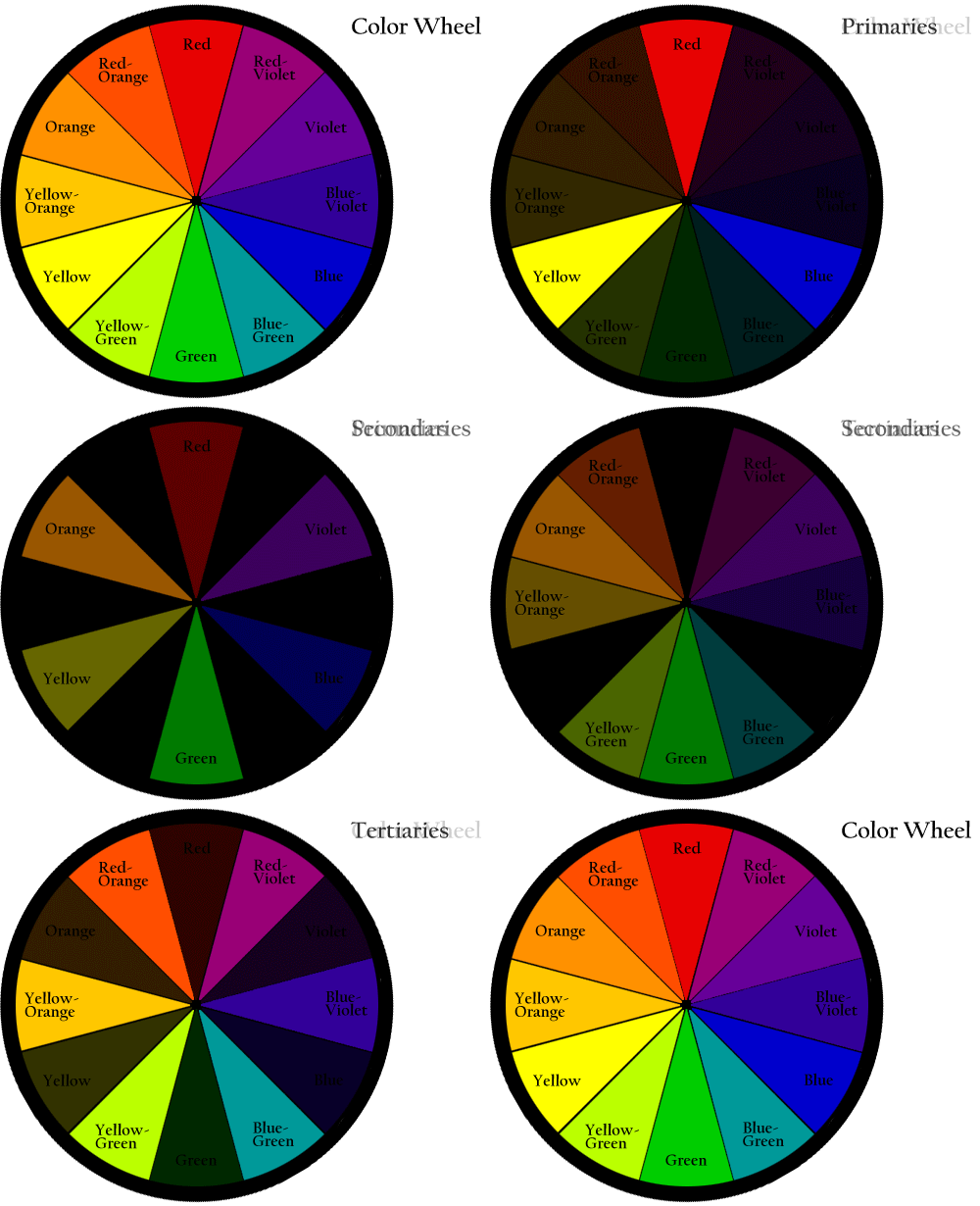
The hair color wheel is a visual tool that shows how colors relate to each other, helping stylists neutralize unwanted tones and create balanced, natural-looking results. It's how we know that purple cancels yellow, blue cancels orange, and green cancels red. Colors that sit opposite each other on the wheel cancel each other out, which is the foundation of all toning and color correction work.

Every color correction I do starts with the color wheel. When someone comes in with brassy orange hair or muddy tones from a box dye disaster, the color wheel tells me exactly what I need to use to fix it. It's not guesswork. It's chemistry.
I'm Bri, one of the colorists at The Warehouse Salon in Fairfield. Let me explain how the color wheel works and how I used it to rescue a client who came in with hair she thought was beyond saving.
How Does the Color Wheel Fix Bad Hair Color?
A client named Natalie came to see me last fall after a DIY disaster. She worked as a teacher in Caldwell and had tried to go blonde at home over the weekend. The result was orange. Not a subtle warm tone. Bright, brassy orange.
"Bri, I have parent-teacher conferences in three days," she said. "Can you fix this or do I need to just dye it dark and start over?"
I looked at her hair and immediately knew what we needed. The color wheel told me. Orange sits directly across from blue on the wheel, which means blue-based toners would neutralize that brassiness.
"We can fix this," I told her. "I'm going to use a toner with blue undertones to cancel out the orange. You're not going to be stuck with this."
We did the correction that day. The blue in the toner neutralized the orange, and she left with a cool, natural-looking blonde that she could actually feel confident about.
Two days later, she texted me. "Bri. I just got through conferences. Multiple parents complimented my hair. No one would ever know it was orange 48 hours ago."
A month later: "I'm never touching box dye again. But if I do, I know where to come."
Three months later, at her maintenance appointment: "I tell everyone about you. You saved my hair and my dignity."
Natalie's correction was possible because of the color wheel. Let me break down how it actually works.
What Is the Hair Color Wheel?
The hair color wheel is a visual representation of colors arranged in a circular pattern. It consists of twelve main colors and shows the relationship between different hues and their undertones. Stylists use it to understand which colors work together and which colors cancel each other out.
The basic principle is this: colors that sit opposite each other on the wheel are complementary, meaning they neutralize each other when combined. This is the foundation of color correction and toning.
Why Do Hairstylists Rely on the Color Wheel?
Stylists use the color wheel to formulate color that achieves the client's goals while working with their natural undertones. By understanding how colors interact, we can create results that harmonize with someone's skin tone, eye color, and personal style.
Without the color wheel, we'd be guessing. With it, we can predict exactly how a color will turn out and adjust our formulas accordingly.

How Do Complementary Colors Work in Hair?
Complementary colors lie opposite each other on the wheel and neutralize one another when combined. This is how toning works.
If a client wants to neutralize unwanted brassy yellow tones in their blonde hair, I use a toner with purple undertones. Purple is the complementary color to yellow on the wheel. By neutralizing the unwanted warmth, I can achieve a cool, ashy blonde.
For Natalie's orange hair, I used blue. Blue sits opposite orange, so it canceled out that brassiness and gave her a natural result. Once you learn the relationships, it becomes second nature.

How Do Stylists Create Natural-Looking Highlights?
The color wheel also guides us in creating harmonious color combinations. Analogous colors, which are adjacent to each other on the wheel, create a sense of unity when blended together.
When I'm doing highlights or balayage, I select hues that are closely related on the color wheel. This ensures the end result looks natural and cohesive rather than stripy or disconnected. The dimension comes from subtle variations within the same color family.

How Does the Color Wheel Help with Color Corrections?
Color corrections are where the color wheel really proves its value. When someone comes in with a color mishap, whether from a box dye experiment or a misunderstanding at another salon, I turn to the color wheel to identify what undertones need to be counteracted.
If hair has turned overly orange, I reach for blue-based products. If it's too yellow, I use violet. If there's an unwanted red tone, green-based formulas can help. The color wheel tells me exactly what to use.
That said, the color wheel is a guide, not a rigid rulebook. Sometimes following it too strictly doesn't give you the result you want. This is where experience and creativity come in. I often use formulas that have both warmth and coolness to create balance.
Here's something most people don't know: ash tones absorb light while warm tones reflect light. This means warmer colors appear brighter and more lively, while ash tones can look flatter. A good colorist uses this knowledge to create dimension and movement in the hair, not just neutral tones.

Your Hair Color Wheel Questions Answered
Why did my blonde hair turn orange when I tried to lighten it?
Your hair has underlying pigment that gets exposed when you lighten it. Dark hair goes through stages: black to brown to red to orange to yellow to pale yellow. If you didn't lighten enough, you stopped at the orange stage. A blue-based toner can neutralize that, but you may need additional lightening to get to your goal.
Can I use purple shampoo to fix orange hair?
Purple shampoo is designed to neutralize yellow, not orange. If your hair is orange, you need a blue-based toner or blue shampoo. Using purple on orange won't give you the result you want because purple and orange aren't complementary colors on the wheel.
Why does my hair look green after I colored it?
Green tones usually happen when ash-based colors are applied over hair with yellow undertones, or when blonde hair is exposed to chlorine or minerals in water. Red or copper-based products can neutralize green because red and green are complementary colors.
How do colorists know which toner to use?
We look at the unwanted tones in your hair and refer to the color wheel to find the complementary color that will neutralize them. It's not guesswork. It's understanding how colors interact. Natalie's orange needed blue. Someone else's yellow needs purple. The wheel tells us what to reach for.
Can I fix a color correction at home?
I wouldn't recommend it. Color correction requires understanding not just the color wheel but also the condition of your hair, the products previously used, and the right timing for each step. Home attempts at correction often make things worse. Natalie's orange happened because she tried to fix her own hair. The correction happened because she came to a professional.
Book Your Color Appointment at The Warehouse Salon
The color wheel is the foundation of everything we do with hair color. Whether you're looking for a new shade, need to correct a color mishap, or just want to understand why your hair does what it does, we can help.
Come see us at The Warehouse Salon in Fairfield. We're at 1275 Bloomfield Ave Building 1 Unit 3, right around the corner from Pio Costa Enterprises. Call us at 973-500-4536 or book your appointment online through our booking page.
If you're dealing with a color situation you're not sure how to fix, send me a DM on Instagram @themanebri and let's figure it out together.
Products We Recommend
- Keratin Complex Color Care Duo
- Lakme Teknia Violet Lavender Refresh Shampoo
- Lakme Teknia Safron Copper Refresh Shampoo
From the team at The Warehouse Salon in Fairfield, NJ. Questions? Book a free consultation or call (973) 500-4536.
Leave a comment