


What is Dimension? - Hair Color Explained
Dimensional hair color is a technique that uses multiple shades and tones to create depth, movement, and visual interest in your hair, rather than a flat, single-tone color. It's achieved through techniques like highlights, lowlights, balayage, and ombré that blend lighter and darker shades together, making your color look more natural and lively. The result is hair that catches light differently depending on how you move, giving it life that solid, one-dimensional color simply can't match.

Flat, solid color can look great right after you leave the salon, but it often grows out harshly and doesn't have the same natural movement as hair with dimension. When I add dimension to a client's color, they almost always say it looks more like "real" hair, even if we're doing something creative or dramatic.
I'm Bri, one of the colorists at Studio 360 Salon by The Warehouse Salon in Chatham. Let me explain how dimensional color works and what happened with a client who was stuck in a solid-color rut for years before we added some depth.
Why Does Dimensional Color Look More Natural Than Solid Color?
A client named Andrea came to see me last summer. She worked as a marketing manager in Summit and had been coloring her hair the same solid medium brown for over five years. It covered her grey and matched her natural color, but something about it always felt off to her.
"Bri, my hair looks fake," she said. "It's my natural color, technically, but it looks like a wig. There's no life to it."
She was right. Her hair was a uniform shade from root to tip with no variation at all. Natural hair isn't like that. Even people who've never colored their hair have subtle variations in tone from sun exposure, from different growth patterns, from the way light hits different sections. Solid color eliminates all of that.
"We need to add dimension," I told her. "Some subtle highlights around your face, some lowlights through the back to add depth. Your base color can stay the same, but we'll give it layers that make it look real."
She was nervous about highlights because she'd had chunky, obvious ones in the early 2000s that she hated. I assured her that what we were doing would be nothing like that.
We added fine babylights around her face and a few lowlights through the crown and underneath. The base stayed the same medium brown she was used to. When we finished, she stared at herself in the mirror for a full minute without saying anything.
"This is what I've been trying to get for five years," she finally said. "It looks like my actual hair. But better."
Three weeks later, she texted me. "Bri. My coworker asked if I did something different and couldn't figure out what. It just looks like really good hair now."
Two months later: "The grow-out is so much softer than when I had solid color. I don't feel like I need to come in as urgently."
Four months later: "I'm never going back to flat color. This is how hair is supposed to look."
Andrea's transformation showed her what dimension can do. Let me break down the techniques that create it.
How Do You Choose the Right Colors for Dimension?
The first step in achieving dimensional hair color is choosing the right shades. I work with each client to select a color palette that complements their skin tone, eye color, and personal style. We consider what their natural color looks like, what undertones work best for their complexion, and how much contrast they want.
For Andrea, we stayed close to her natural base but added shades one to two levels lighter and darker. The result was subtle but transformative. For other clients who want more drama, we might use a wider range of shades or incorporate completely different tones.
Most of the time, I refer to dimensional hair color as "custom hair color" because that's really what it is. No two dimensional color services look exactly the same.

What Are Highlights and How Do They Add Dimension?
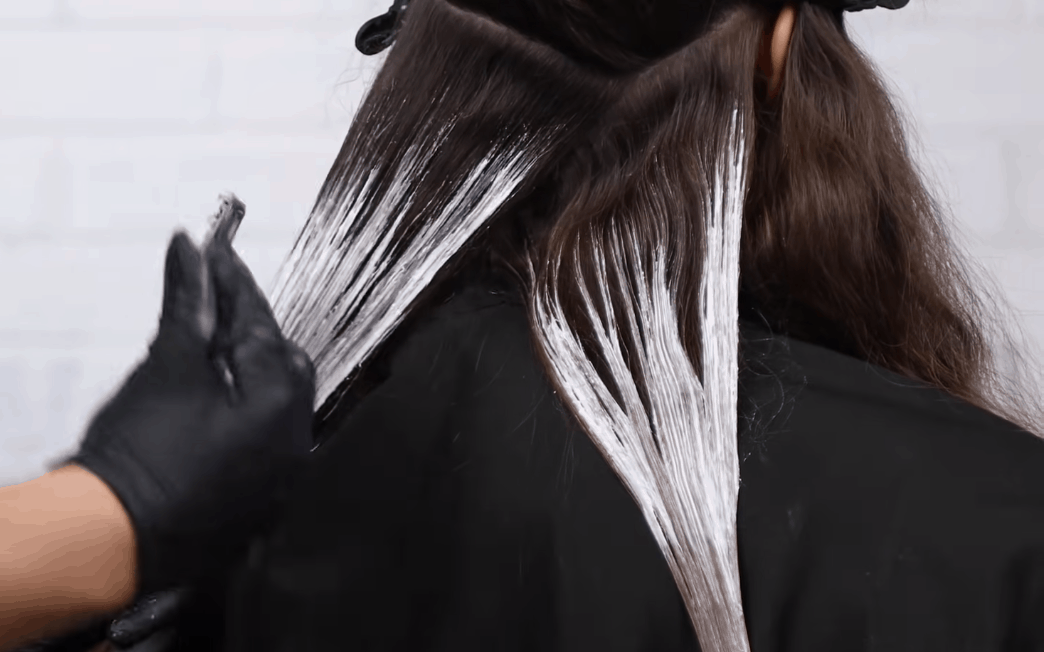
Highlights involve lightening certain sections of hair to create contrast with the darker, natural color. This can be done using foils for more precise placement or by painting the color onto the hair freehand for a softer effect.
Highlights add brightness and draw attention to certain areas, like around the face or through the top layers. The lighter pieces catch light and create the illusion of movement and depth. Andrea's babylights were so fine that they didn't read as "highlights" at all, just as natural variation in her color.

What Are Lowlights and When Do You Need Them?
Lowlights are the opposite of highlights. They involve adding darker shades to the hair to create depth and ground the color. This can be done using the same techniques as highlights, with foils or freehand painting.
Lowlights are especially useful if your hair has become too light or one-dimensional from repeated highlighting. They add richness back and create contrast that makes the lighter pieces pop more. For Andrea, the lowlights through her crown added shadow and depth that made her overall color look more three-dimensional.
What Is Ombré Color?
Ombré is a technique where the hair gradually fades from one color to another, creating a natural-looking gradient effect. Typically, the roots are darker and the ends are lighter, mimicking how hair would naturally lighten from sun exposure.
This can be achieved by either lightening the ends of the hair or darkening the roots, depending on your starting point and the desired effect. Ombré creates dimension vertically through the hair, with the transition happening as you move from top to bottom.
What Is Balayage and How Is It Different from Ombré?
Balayage is similar to ombré in that it creates a graduated effect, but it involves painting the color onto the hair freehand in a way that creates a more natural, sun-kissed look. The placement is more scattered and organic than traditional highlights.
While ombré has a more defined horizontal transition, balayage blends seamlessly with no obvious lines. It's one of the most popular dimensional techniques because it grows out beautifully and requires less maintenance than traditional foil highlights.
What Should You Consider Before Getting Dimensional Color?
Dimensional color can work for almost anyone, but there are a few things to think about before your appointment to make sure you get the best results:
Your Starting Point Affects Your Options
If you have virgin hair that's never been colored, you have the most flexibility. We can lighten, darken, or do both without worrying about how previous color will interact with new products. If you have existing color, especially box dye or color buildup from years of solid coverage like Andrea had, we may need to work in stages or adjust our approach.
A consultation helps me see what we're working with and set realistic expectations for what we can achieve in one session versus multiple sessions.
Maintenance Varies by Technique
Different dimensional techniques require different maintenance schedules. Traditional foil highlights may need touch-ups every 6 to 8 weeks as your roots grow in. Balayage and ombré are more forgiving because the color is concentrated away from the roots, so you might stretch to 12 weeks or longer.
Lowlights and babylights fall somewhere in between. Andrea found that her dimensional color was actually easier to maintain than her solid color because the grow-out was softer and less obvious. We'll talk through what kind of maintenance commitment each option requires so you can choose what fits your lifestyle.
Dimension Works with Any Base Color
Dimensional color isn't just for brunettes who want highlights. It works on every base color. Blondes can add lowlights for depth. Redheads can incorporate copper and strawberry tones. Even vivid and fantasy colors can be dimensional by layering different shades of the same color family.
If you have grey you're blending, dimension actually makes the blending more seamless because it breaks up solid color and makes the grey strands less obvious. The goal is always to create movement and depth, regardless of what colors we're working with.
Your Dimensional Color Questions Answered
Will dimensional color work on my hair if it's mostly grey?
Yes. Dimensional color is actually one of the best approaches for grey blending because it creates variation that makes the grey strands less noticeable. The highlights and lowlights camouflage the grey rather than trying to cover every single strand with solid color. This also gives you a softer grow-out.
How is dimensional color different from just getting highlights?
Highlights are one component of dimensional color, but dimensional color is a more full approach. It might include highlights, lowlights, a root shadow, toning, and strategic placement all working together. The goal is creating a complete, multi-tonal look rather than just adding some lighter pieces.
Will dimensional color damage my hair more than solid color?
It depends on what techniques we use. If we're adding highlights, that involves lightening, which is a chemical process. But because we're only lightening sections of hair rather than your entire head, the overall damage is often less than an all-over lightening service. We also use conditioning treatments throughout the process to maintain hair health.
How do I maintain dimensional color at home?
Use color-safe, sulfate-free shampoo and conditioner to preserve your tones. If you have highlights, a purple shampoo once a week can help prevent brassiness. Avoid excessive heat styling, and use a heat protectant when you do style with heat. These basics will help your dimensional color last longer between appointments.
How long does a dimensional color appointment take?
It depends on the complexity of what we're doing. A simple highlight or lowlight service might take 2 hours. A full dimensional transformation with multiple techniques could take 3 to 4 hours or more. Andrea's first appointment was about 2.5 hours because we were adding multiple elements to her solid base. During your consultation, I'll give you a time estimate based on your specific plan.
Book Your Dimensional Color Consultation
If you're tired of flat, one-dimensional color that doesn't have life or movement, dimensional color might be exactly what you need. By using highlights, lowlights, balayage, ombré, or a combination of techniques, we can create a customized color that looks natural, lively, and uniquely you.
Book a consultation with me at Studio 360 Salon in Chatham. Call us at 973-701-3030 or book online through our website. If you're closer to Fairfield, you can also see our team at The Warehouse Salon at 1275 Bloomfield Ave Building 1 Unit 3. Call 973-500-4536 to schedule.
Flat color is optional. Let's give your hair some depth.
At The Warehouse Salon in Fairfield, NJ, our colorists create dimension for clients from Parsippany to Montclair. It's what we do best.
More Products We Love
- Keratin Complex Timeless Color Fade-Defy Shampoo
- Hot Like Me Sheer Glass Coat
- Keratin Complex Timeless Color Fade-Defy Conditioner
- Milk Shake Integrity Nourishing Shampoo
- Olaplex Hair Perfector No 3
From the team at The Warehouse Salon in Fairfield, NJ. Questions? Book a free consultation or call (973) 500-4536.
Leave a comment