


Throwback Tresses: Decades of Hair Trends Making a Comeback in 2025
Vintage-inspired hairstyles fail when clients don't account for the time investment, hair type requirements, and maintenance reality these looks demand. A 1920s finger wave requires at least 45 minutes of styling time and works only on specific hair textures. A 1960s beehive needs backcombing that causes cumulative damage. Most historical styles were created for special occasions, not daily wear, yet clients expect them to function as everyday looks.
Three weeks ago at The Warehouse Salon, Luna came in requesting "Gatsby waves" for her wedding. When I asked about her timeline, she mentioned she wanted to style them herself the morning of the ceremony and expected them to last through dinner and dancing. I had to explain that authentic finger waves require professional setting, approximately 45 minutes of meticulous work, and typically last 4-6 hours before falling. She was envisioning something completely different from the historical reality. We ended up creating a modern interpretation with soft waves that referenced the era without requiring the precise technique or time commitment of true finger waves.
In this guide: I'll walk through which historical styles clients actually request at our salon, what makes them work or fail on modern hair, and the honest requirements for each look, based on my 20+ years working with formal styling and special event hair in DeLand, FL.
1920s Finger Waves: Technical Skill and Hair Type Requirements
:max_bytes(150000):strip_icc()/7-c267c8a65947421c97ea5141fbe6581f.png)
When Lavinia requested finger waves for a 1920s-themed charity gala, I had her come in for a trial run two weeks before the event. Her naturally wavy, medium-texture hair fought against the structured S-curves, the humidity in DeLand (70-80% year-round) caused the waves to drop within three hours, and the setting gel made her hair stiff and uncomfortable.
Authentic finger waves work best on straight to slightly wavy hair, fine to medium texture, between 4-8 inches in length. The technique requires sectioning, applying setting product, then using fingers and a fine-tooth comb to create alternating S-shaped curves pinned in place until completely dry.
For clients who want the aesthetic without the technical requirements, I create soft vintage-inspired waves using a 1-inch curling iron. Amika Curl Corps Defining Cream applied to damp hair before curling creates smooth, defined waves that hold better than traditional setting gels. The result looks period-appropriate in photographs without requiring 45 minutes of meticulous shaping.

1940s Victory Rolls: Length and Density Requirements Often Overlooked
Aria came in requesting victory rolls for a vintage military ball. Her hair was approximately 5 inches long throughout. Victory rolls require minimum 8-10 inches to create the rolled structure and secure it properly. We discussed extensions or choosing a different style.
Victory rolls also require significant density. Fine, thin hair doesn't create enough volume to make the rolls visible or proportional. The technique involves sectioning the front portions (approximately 2-3 inches back from the hairline on each side), rolling each section toward the face into a tube shape, and securing with multiple bobby pins. The process takes 20-30 minutes for someone experienced.
Amika The Wizard Detangling Primer applied before rolling helps create smoother sections. Amika Fluxus Touchable Hairspray sets the rolls without creating crunchy texture. But these products don't solve the fundamental length or density requirements.

1960s Beehives: The Damage Cost of Backcombing
Ella requested a beehive for a 1960s-themed wedding she was attending. She has fine, color-treated hair. I explained that achieving authentic beehive height requires aggressive backcombing (teasing) that creates tangles and cuticle damage. On already-compromised color-treated hair, this damage compounds. She could have the beehive, but she needed to understand the trade-off.
Beehives require substantial hair density and length (minimum shoulder length, preferably longer). The technique involves sectioning the crown area, backcombing each section from ends toward roots to create a tangled base that provides volume and structure, then smoothing the surface layer over the teased base and securing with pins. The higher the beehive, the more backcombing required, and the more damage accumulated.
For clients with fine hair who want height without extensive damage, I create modified beehives with less dramatic proportions, using volumizing products rather than relying solely on backcombing. Amika Un.Done Volume and Matte Texture Spray applied at the roots before styling creates some base volume, reducing the amount of backcombing needed. But the fundamental truth remains: authentic beehive proportions require backcombing, and backcombing causes damage.

Face shape matters significantly for beehives. They add height and elongate the face, which looks elegant on round or square face shapes but exaggerates length on already-long faces. Ella has an oval face, so the proportion worked well. But I've turned down beehive requests from clients with very long faces where the added height would create unflattering proportions.
1970s Shags: Modern Interpretations That Actually Work
The 1970s shag is one of the few historical styles that translates well to modern daily wear because it's a cutting technique, not a styling technique. When clients request "a shag," they're asking for layered texture and movement adapted to their hair type and face shape.
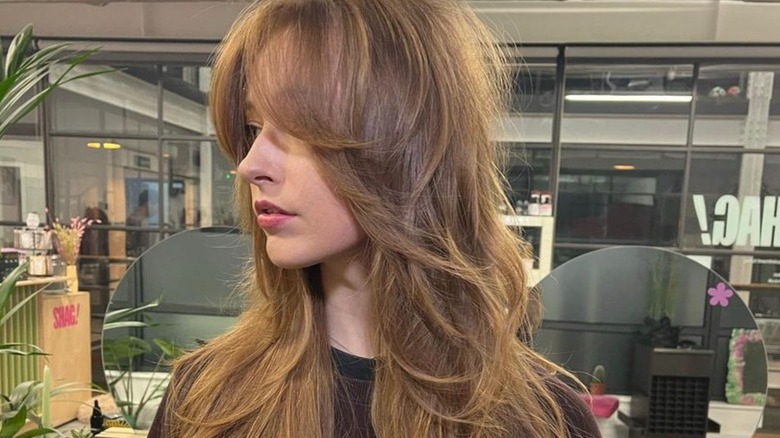
Amaryllis came in requesting a shag cut with thick, wavy hair and a round face. The original 1970s shags had extremely short layers around the face and crown, which would have added width at her temples. We created a modified version with longer face-framing layers starting below her cheekbones, maintaining the textured aesthetic while creating flattering proportions.
Texture Sexy Hair Beach'N Spray enhances the piecey, textured look that defines shags. Applied to damp hair before air-drying, it creates separation and definition in the layers.
1980s Volume: The Difference Between Inspiration and Damage
When clients say they want "1980s volume," they usually mean they want fullness and body, not the extreme teased and sprayed aesthetic of actual 1980s styling. Nephele came in with reference photos from 1980s magazines requesting "big hair." When I showed her what achieving those exact proportions would require (extensive backcombing, large amounts of strong-hold spray, multiple hot roller sets), she reconsidered. What she actually wanted was more volume than her naturally fine, flat hair provided, not replica 1980s styling.

Modern volume techniques achieve fullness without the damage cost of 1980s methods. Strategic layering creates body through the cut itself. Volumizing products applied at the roots provide lift without requiring backcombing. Blow-drying technique with proper brush tension creates volume that backcombing used to provide.
Amika Plus Size Perfect Body Mousse applied to damp roots before blow-drying creates substantial volume, particularly on fine to medium hair. The result is fullness that references 1980s proportions without requiring damaging techniques or extreme product buildup. This is volume you can run your fingers through, not hair that's shellacked into a structure.
1990s Texture: Clean Hair Styled to Look Undone
The "grunge" aesthetic clients request is clean hair styled to look textured and casual, not genuinely unwashed hair. When Reverie asked for "that 1990s messy look," she'd been skipping washing and adding dry shampoo. That's not how the look is created professionally.
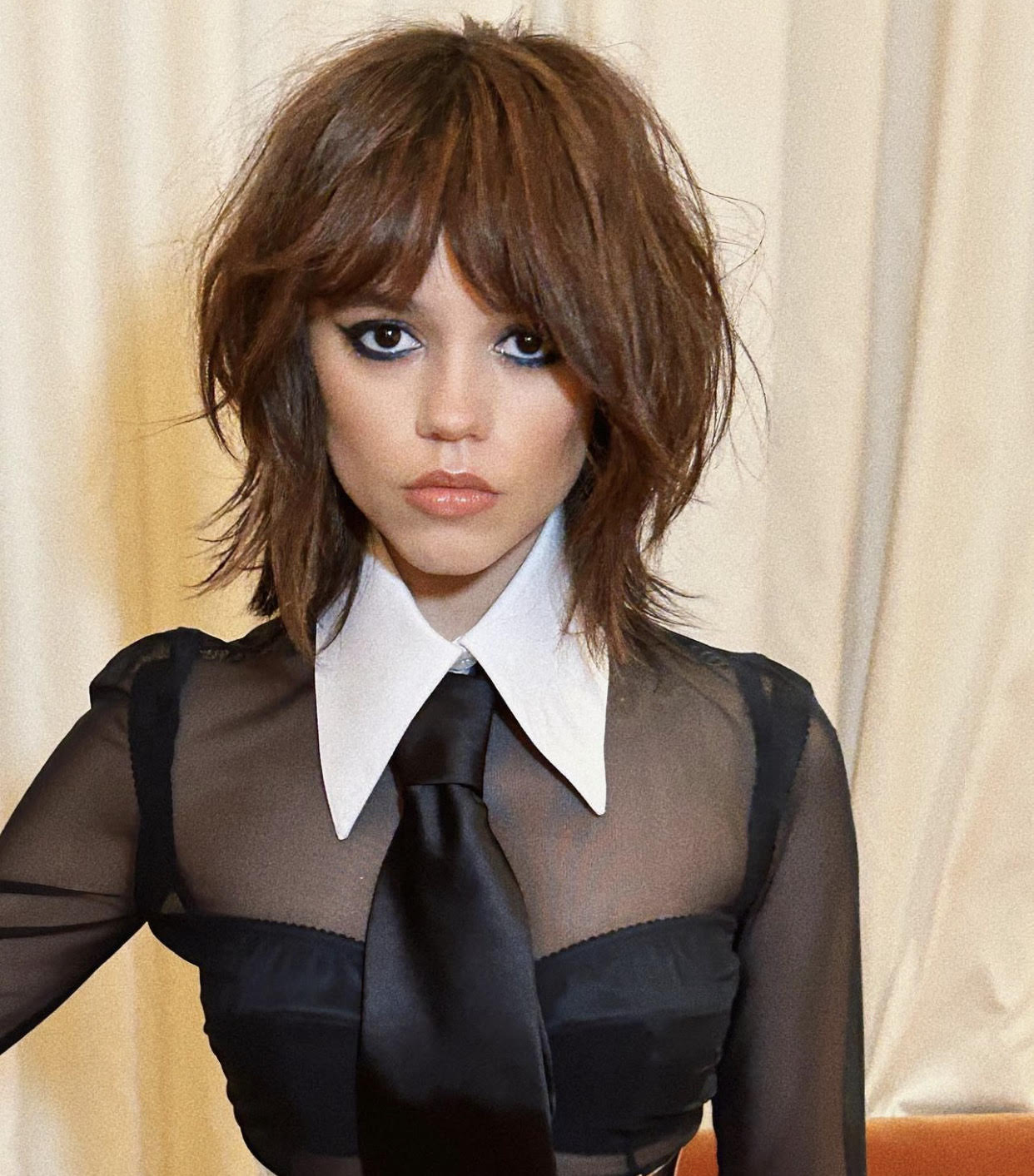
Amika Perk Up Dry Shampoo is used on clean, dry hair to create texture and grip. Aluram Dry Texture Spray adds the piecey, separated texture that defined 1990s styling. These products work on freshly washed hair to create an intentionally undone aesthetic.
Y2K Color: Maintenance Reality of Chunky Highlights

Scarlett came in requesting early 2000s-style chunky highlights. He had dark brown virgin hair and wanted dramatic blonde streaks. I explained the maintenance timeline: initial application (3-4 hours), color touch-ups every 6-8 weeks as roots grow out, toning appointments every 4-6 weeks to prevent brassiness, and ongoing bond-building treatments to maintain hair integrity with that level of lightening.
The early 2000s chunky highlight trend is returning, but modern techniques create softer, more blended results than the original stark contrasts. Clients often request the aesthetic without understanding that high-contrast color requires intensive maintenance. The grow-out is more visible than blended color techniques. The contrast requires regular toning. The lightening process stresses hair structure.
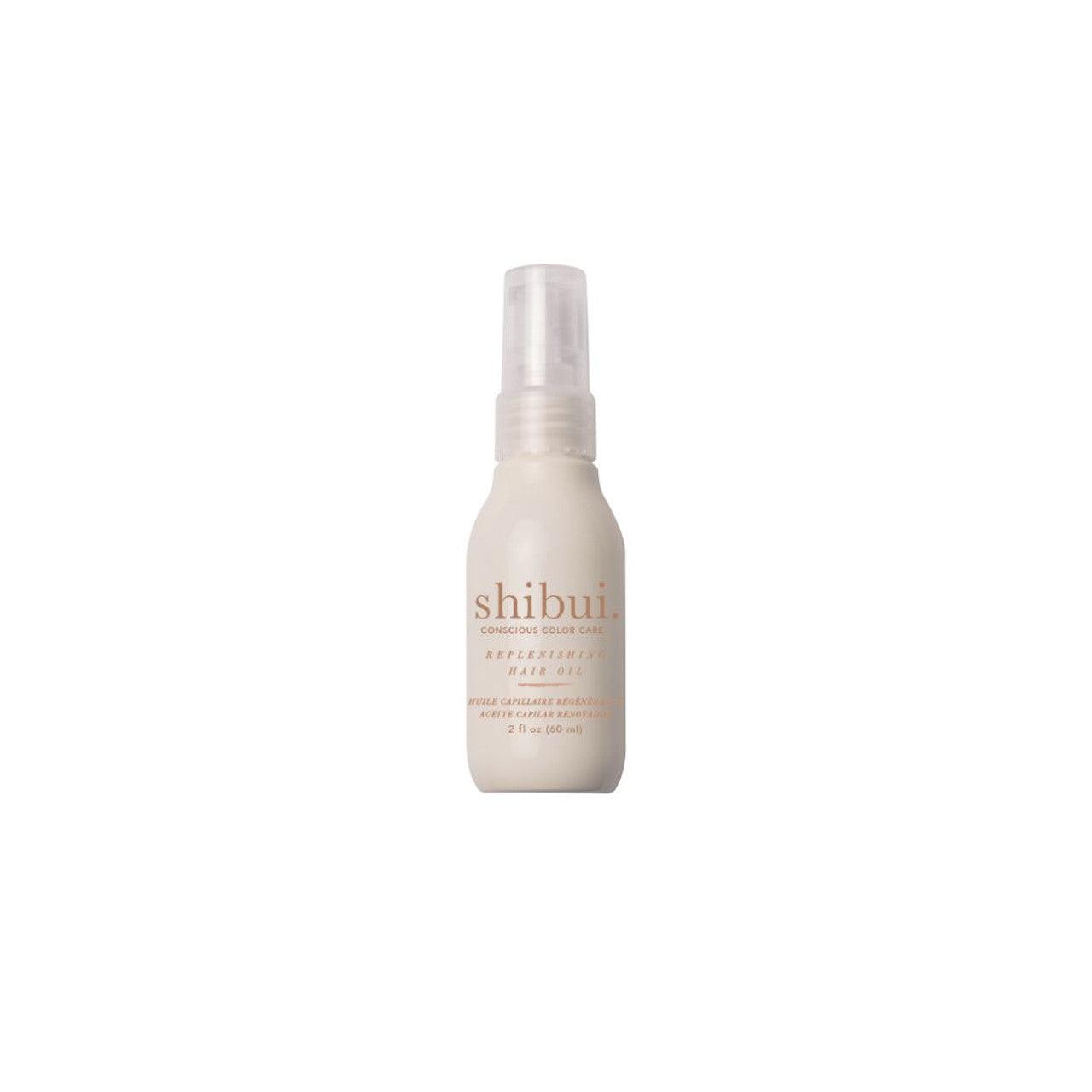
For clients who commit to the maintenance, Shibui Everydayness Shampoo and Conditioner help maintain color-treated hair without stripping. Shibui Replenishing Hair Oil adds shine and smoothness that highlighted hair tends to lose. But these products manage the results of color, they don't reduce the maintenance requirements.
What Clients Actually Want Versus Historical Reality
When Luna came back for her wedding trial, we created soft vintage-inspired waves that referenced the 1920s aesthetic without requiring authentic technique. She could style them herself with practice, they lasted through her full wedding day, and the photographs looked period-appropriate.
Most clients requesting historical styles want the aesthetic in photographs, not the technical precision or time investment of authentic historical styling. The styles that translate best are those that work with contemporary techniques. Shags work because they're a cutting technique. Soft waves work because modern tools create them efficiently. Moderate volume works because modern products achieve it without damaging backcombing.
The styles that fail require techniques incompatible with modern life. Precise finger waves for daily wear. Beehives needing 45 minutes of backcombing. Victory rolls requiring professional pin placement. These work for special occasions when clients understand the requirements.
Ready to Bring Vintage Inspiration to Your Next Event?
Let's discuss which historical styles will actually work for your hair type and occasion. During your consultation at The Warehouse Salon, I'll examine your hair texture, length, and density to determine which vintage styles are achievable, demonstrate modified techniques that capture period aesthetics without unrealistic requirements, walk through the time investment and maintenance each look demands, and create a styling plan for your specific event or everyday wear.
Visit us at 1782 S Woodland Blvd, DeLand, FL 32720, or call (386) 873-6188 to book your consultation with Jennifer Lopez, who brings 20+ years of experience specializing in corrective color, dimensional highlights, and precision cuts.
We'll help you achieve vintage-inspired looks using professional assessment and honest guidance about what works for your hair, your lifestyle, and your realistic styling abilities.
North Jersey women from Wayne to Cedar Grove are bringing these retro looks back, and we're here for it at our Fairfield salon.
From the team at The Warehouse Salon in Fairfield, NJ. Questions? Book a free consultation or call (973) 500-4536.
Leave a comment