


The Truth About Sulfates and Silicones in Hair Products: Are They Really That Bad?
Sulfates and silicones are the most misunderstood ingredients in hair care, with some people treating them as villains while others swear by them. Sulfates are powerful cleansing agents that remove buildup effectively but can strip natural oils, causing dryness in color-treated, curly, or already dry hair. Silicones create smooth, shiny coating on hair that prevents frizz temporarily but can accumulate over time, leaving hair feeling heavy and dull without regular clarifying.
Hey, it's Jessica LaFerrara from The Warehouse Salon in Fairfield, NJ. I've spent 12 years behind the chair, and the sulfate vs silicone debate is one of the most confusing topics for clients. The truth is neither ingredient is inherently bad, they just work differently for different hair types, and understanding when to use or avoid them makes all the difference.
In this guide: Real clients from Fairfield and Essex County who discovered whether sulfates and silicones were helping or hurting their hair, how to tell if these ingredients are working for your specific hair type, and which alternatives work when these ingredients don't.
When Sulfates Become the Problem
Penelope from West Caldwell came in with dry, brittle hair. "I wash my hair every day," she said. "But it feels like straw. I keep using more conditioner but nothing helps." I looked at her shampoo bottle. Sodium Lauryl Sulfate was the second ingredient.
"This sulfate is stripping all the natural oils from your hair," I explained. "Sulfates are detergents that create that foamy lather you love, but they're too aggressive for your dry hair type. You're washing away the oils your hair needs to stay healthy." She was surprised. "I thought lather meant it was cleaning well," she said.
We switched her to sulfate-free shampoo immediately. I recommended products that clean gently without stripping. At her 3-week follow-up, her hair felt completely different. "It's actually soft now," she said. "I can't believe the shampoo was the problem this whole time."
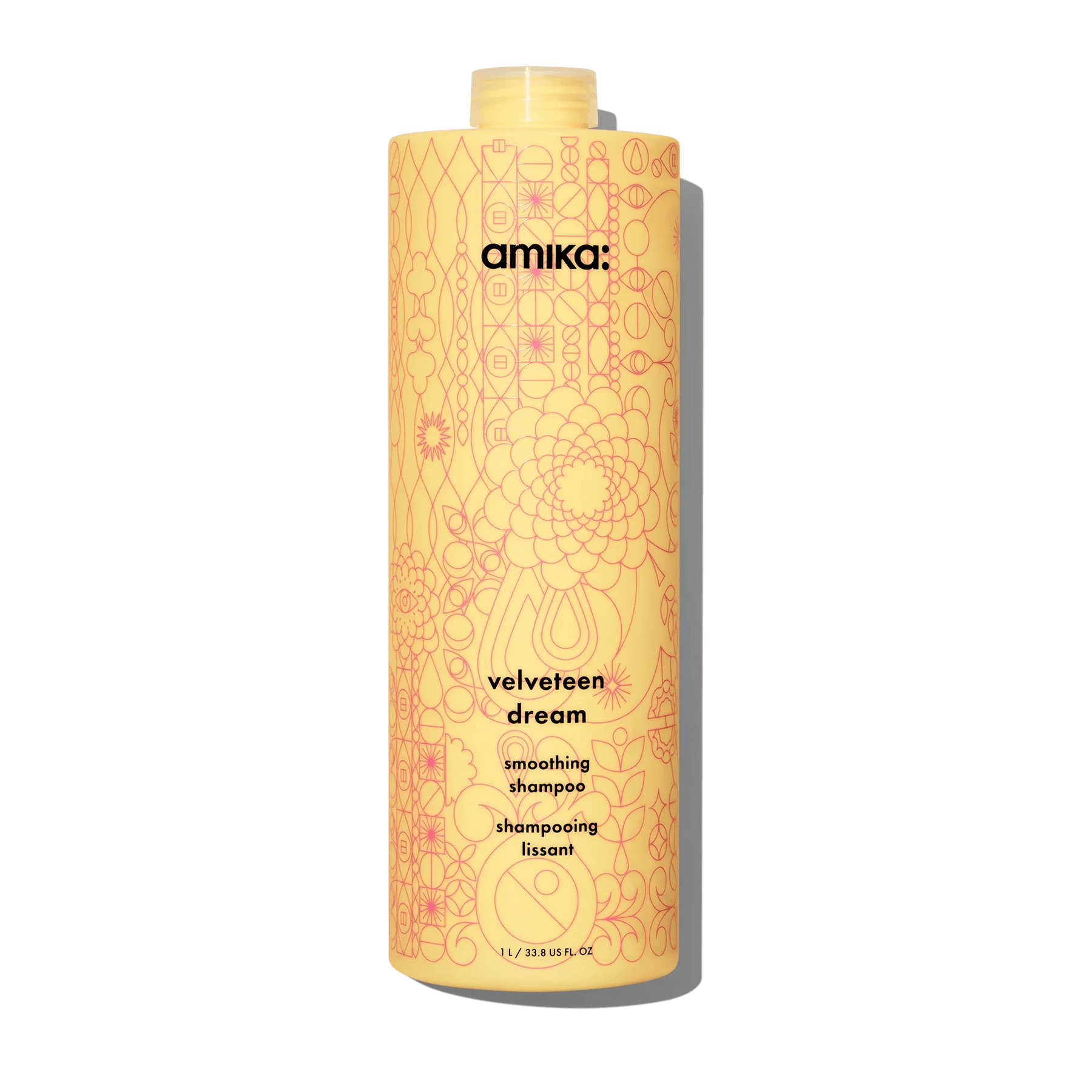
For sulfate-free cleansing that maintains moisture, Amika Velveteen Dream Smoothing Shampoo helps to keep moisture locked in while still cleaning your hair.
Color-Treated Hair and Sulfate Damage
Lucille from Caldwell had beautiful balayage that faded within 3 weeks of coloring. "I spend $400 on color and it's gone in less than a month," she said, frustrated. "What am I doing wrong?" I asked about her hair washing routine.
"I wash daily with my regular shampoo," she said. I looked at the ingredients. Full of sulfates. "These sulfates are stripping your expensive color right out of your hair," I explained. "Color-treated hair is already porous from the lightening process. Sulfates open the cuticle further and wash out the color molecules."
We switched her to sulfate-free color-safe shampoo. At her next color appointment 8 weeks later, her balayage still looked vibrant. "This is the longest my color has ever lasted," she said. "I'm washing less frequently now too, which helps even more." The sulfate-free products added an extra 4-6 weeks to her color longevity.
Silicone Buildup Making Hair Look Dull
Theodora from Montclair came in complaining her hair felt heavy and dull. "I use so many smoothing products," she said. "But my hair just looks flat and lifeless now." I felt her hair. Thick coating of silicone buildup.
"Silicones create a coating on your hair that makes it feel smooth initially," I explained. "But over time, they layer on top of each other creating buildup. That's why your hair feels heavy and looks dull instead of shiny." She looked shocked. "So my smoothing products are making it worse?"
We did a clarifying treatment to remove the buildup, then switched her to silicone-free smoothing products. At her 2-week follow-up, her hair had natural movement and shine again. "It feels so much lighter," she said. "I didn't realize how weighed down it was until the buildup was gone."
To get that same silky smoothness without the build-up, Alfaparf Milano Semi Di Lino Smoothing Cream Conditioner nourishes and smooths hair without leaving any residue, and it works beautifully for those looking for a shine boost without the weight.
Fine Hair and the Silicone Weight Problem
Gwendolyn from Roseland has fine, thin hair. "I use conditioner to make my hair smooth," she said. "But it just looks greasy and flat by noon." I looked at her products. Heavy silicones in the conditioner.
"Fine hair gets weighed down easily by silicones," I explained. "The coating that makes thick hair look shiny makes fine hair look limp and oily. You need lightweight moisture, not heavy coating." She'd been using products designed for thick, coarse hair on her fine texture.
We switched her to silicone-free lightweight conditioner applied only to ends, never roots. Her hair had volume for the first time in years. "I can actually go a full day without looking greasy," she said at her 3-week follow-up. "This is the difference I needed."
For fine hair that needs hydration without weight, Amika Hydro Rush Intense Moisture Conditioner hydrates, protects, and gives your hair shine without sulfates or silicones getting in the way.
When Sulfates Actually Help
Henrietta from Wayne uses a lot of styling products. "I use dry shampoo, texturizing spray, hairspray daily," she said. "But my hair feels gunky and products don't work as well anymore." She'd been using sulfate-free shampoo thinking it was healthier.
"Your hair has product buildup," I explained. "Sulfate-free shampoos are gentle, but they don't deep-clean effectively. Your hair type actually needs the stronger cleansing power of sulfates once or twice a week to remove all these styling products." She was surprised sulfates could be beneficial.
We created a rotation: sulfate shampoo once a week for deep cleaning, sulfate-free the other days for gentle maintenance. At her 4-week follow-up, her styling products worked better. "My hair actually feels clean now," she said. "And the products don't build up like they were."
Curly Hair: The Sulfate Sensitivity
Josephine from Fairfield has 3B curly hair. "My curls are so dry and frizzy," she said. "No matter how much I condition, they're still a mess." I asked about her shampoo. Full of sulfates.
"Curly hair is naturally drier because oils from your scalp can't travel down the curl pattern easily," I explained. "Sulfates strip what little oil reaches your curls, making them even drier and more frizzy. Your hair type needs sulfate-free cleansing." She'd been using the same shampoo her straight-haired sister uses.
We switched her to sulfate-free curl-specific shampoo and silicone-free curl cream. At her 3-week follow-up, her curls were defined and hydrated. "This is the first time my curls have looked good consistently," she said. "I didn't know sulfates were destroying my curl pattern."
The Balance: When to Use Each
Millicent from Nutley was confused by all the conflicting advice. "Everyone says different things about sulfates and silicones," she said. "How do I know what's right for MY hair?" I explained that hair type determines everything.
"If you have oily hair or use lots of styling products, sulfates help deep-clean," I told her. "If you have dry, curly, or color-treated hair, sulfates are too harsh. If you have thick, coarse hair, silicones can smooth and add shine. If you have fine hair, silicones weigh it down and make it look greasy."
We assessed her hair: fine texture, color-treated, minimal styling products. She needed sulfate-free shampoo and silicone-free conditioner. "This makes so much sense now," she said. "I've been using products for the wrong hair type." At her 4-week follow-up, her hair looked healthier than it had in years.
Frequently Asked Questions About Sulfates and Silicones in Fairfield
How do I know if sulfates are damaging my hair?
Signs of sulfate damage include excessive dryness, frizz, color fading quickly (within 3-4 weeks), scalp irritation, and hair that feels stripped or straw-like after washing. If you have dry, curly, or color-treated hair and experience these issues, switching to sulfate-free shampoo typically improves hair health within 2-3 weeks. At The Warehouse Salon in Fairfield, we help clients identify whether sulfates are helping or hurting their specific hair type.
What does silicone buildup feel like?
Silicone buildup makes hair feel heavy, look dull instead of shiny, appear limp or flat without volume, and feel coated or waxy. Products stop working as well because they can't penetrate the silicone layers. If you use silicone-containing conditioners or styling products daily, you need clarifying treatment every 2-4 weeks to remove buildup and restore natural hair texture and movement.
Are sulfate-free shampoos strong enough to clean my hair?
Sulfate-free shampoos clean effectively using gentler surfactants but don't create as much lather. They work well for dry, curly, color-treated, or fine hair. However, if you use heavy styling products daily (hairspray, dry shampoo, texturizing products), you may need sulfate shampoo once weekly for deep cleaning while using sulfate-free the rest of the week for maintenance.
Can I use silicones if I have fine hair?
Fine hair can use silicones occasionally but not daily. Water-soluble silicones (cyclomethicone, dimethicone copolyol) are lighter and wash out easier than heavy silicones (dimethicone). Apply only to ends, never roots, on fine hair. If your hair looks limp or greasy by midday, silicones are too heavy for your hair type and silicone-free products work better.
How often should I clarify if I use silicone products?
If you use silicone-containing conditioners or styling products regularly, clarify every 2-4 weeks using sulfate shampoo or clarifying treatment. This removes buildup preventing dull, heavy hair. After clarifying, your regular products work better because they can actually penetrate clean hair instead of sitting on top of silicone layers. At The Warehouse Salon, we recommend clarifying schedules based on how many silicone products you use.
Do curly and color-treated hair types need to avoid both sulfates and silicones?
Curly hair typically benefits from avoiding sulfates (too drying) but can use light silicones for frizz control. Color-treated hair should avoid sulfates (strip color) and heavy silicones (create buildup requiring harsh clarifying that strips color). Each hair type has different needs, which is why generic advice doesn't work. We assess your specific combination of texture, damage, and color to recommend what works for YOUR hair.
Ready to Find What Works for Your Hair?
If you're confused about whether sulfates and silicones are helping or hurting your hair, come see me at The Warehouse Salon in Fairfield. I'll assess your hair type, examine your current products, and recommend what will actually work for your specific texture, color, and styling routine instead of following generic trends that don't apply to you.
We're located at 1275 Bloomfield Ave Building 1 Unit 3, Fairfield, NJ 07004. Call us at 973-500-4536 to book your consultation.
Book an appointment online!
Let's figure out which products will make your hair healthier instead of following ingredient trends that might not work for you.
— Jessica LaFerrara, The Warehouse Salon
Leave a comment