


The Science Behind Hair Growth: What’s Really Happening Up There?
Hair grows in three-phase cycles (anagen/growth lasting 2-7 years, catagen/transition lasting 2-3 weeks, telogen/resting lasting 3-6 months), with only 85-90% of follicles actively growing at any time. Growth rate averages half an inch per month during anagen phase, determined primarily by genetics but influenced by scalp health, nutrition, hormones, stress levels, and damage from heat styling or chemical treatments. The most common growth disappointment comes from expecting faster results than biology allows or not addressing underlying issues like poor scalp circulation, nutritional deficiencies, or breakage that prevents length retention.
Hey, it's Jessica LaFerrara from The Warehouse Salon in Fairfield, NJ. I've spent 12 years behind the chair, and clients ask about hair growth constantly. Most people have unrealistic expectations about growth speed or don't understand why their hair won't grow past a certain length despite waiting months or years.
In this guide: Real clients from Fairfield and Essex County who discovered why their hair wasn't growing as expected, the science behind growth cycles that determines realistic timelines, and which factors you can actually control versus what's determined by genetics.
When Growth Expectations Don't Match Biology
Philippa from West Caldwell came in frustrated. "My hair won't grow past my shoulders," she said. "It's been this length for 2 years. What's wrong with it?" I examined her ends. Severe breakage and split ends traveling up the hair shaft.
"Your hair is growing," I explained. "But it's breaking off at the same rate it grows, so you never gain length. This isn't a growth problem, it's a breakage problem." She looked surprised. "I thought my hair just stopped growing at this length," she admitted.
We implemented a treatment plan: protein treatments every 4 weeks to strengthen, trimming every 8 weeks to remove damage before splits traveled up, eliminating daily heat styling. At her 6-month follow-up, she'd gained 2 inches. "I can't believe it was breakage all along, not slow growth," she said.
Understanding the Growth Phase Reality
Eugenia from Caldwell expected her hair to grow faster. "I've been growing it for 3 months and it's barely longer," she said. "Is something wrong?" I did the math with her. Hair grows approximately half an inch per month on average.
"In 3 months, your hair grew about 1.5 inches," I explained. "That's completely normal growth rate. You're not experiencing slow growth, you're experiencing realistic growth that doesn't match your expectations." She'd been expecting several inches in that timeframe.
Most people underestimate how long it takes to grow significant length. Shoulder to mid-back length takes 12-18 months of consistent growth without major trims. "Hair growth is measured in years, not months," I told her. She adjusted her expectations and stopped obsessing over monthly progress.
Stress-Related Hair Loss
Prudence from Montclair noticed excessive shedding. "I'm losing so much hair in the shower," she said, panicked. "Clumps coming out when I brush. Am I going bald?" I asked about recent life events. She'd gone through a divorce 3 months ago.
"Stress can push hair follicles from growth phase into resting phase prematurely," I explained. "About 3 months after a major stressful event, you see increased shedding. This is telogen effluvium, and it's temporary." She was relieved it wasn't permanent hair loss.
We worked on scalp health and stress management. At her 4-month follow-up, shedding had decreased significantly. "My hair is filling back in," she said. "Understanding it was stress-related and temporary helped me stop panicking, which probably helped the recovery too."
Scalp Health Blocking Growth
Esmeralda from Roseland complained about slow growth. "My hair barely grows," she said. "Maybe an inch a year." I examined her scalp. Significant buildup, clogged follicles, inflammation.
"Your scalp health is terrible," I told her bluntly. "These clogged follicles can't produce healthy hair. It's like trying to grow plants in concrete instead of soil." She'd been using heavy oils and products without proper cleansing, creating buildup that choked follicles.
We implemented weekly scalp exfoliation and proper cleansing routine. At her 3-month follow-up, her scalp looked completely different. "My hair is growing faster now," she said. "And it feels healthier from the roots." Scalp health directly impacts growth quality and rate.
Nutritional Deficiencies Affecting Growth
Wilhelmina from Wayne had brittle hair that broke constantly. "I eat healthy," she insisted when I asked about nutrition. "Lots of salads." I probed deeper. She was vegetarian, ate minimal protein, took no supplements.
"Hair is made of protein called keratin," I explained. "Without adequate protein intake, your body can't build strong hair. You're probably deficient in iron, biotin, and B vitamins too, all critical for hair growth." She hadn't connected her restrictive diet to her hair problems.
I recommended consulting a nutritionist and adding protein-rich foods or supplements. At her 4-month follow-up, her hair looked dramatically different. "I started eating more protein and taking supplements my doctor recommended," she said. "My hair stopped breaking and actually feels strong now." Nutrition isn't everything, but deficiencies definitely impact growth.
Hormonal Changes and Growth Cycles
Millicent from Nutley experienced hair thinning after pregnancy. "I had amazing hair when I was pregnant," she said. "Now it's falling out in clumps. Will it come back?" This is extremely common postpartum hair loss.
"During pregnancy, elevated estrogen keeps more follicles in growth phase," I explained. "After delivery, estrogen drops and all those follicles enter resting phase simultaneously, causing dramatic shedding 3-4 months postpartum. This is temporary." She was terrified she'd stay thin-haired permanently.
We focused on scalp health and gentle handling during this shedding phase. At her 6-month follow-up, new growth was visible all around her hairline. "It's filling back in just like you said," she said, relieved. Hormonal hair loss is usually temporary but takes patience.
Heat Damage Preventing Length Retention
Adelaide from Verona straightened her hair daily with a flat iron. "Why won't my hair grow long?" she asked. "It gets to my shoulders then seems to stop." I felt her hair. Fried, brittle, breaking constantly from heat damage.
"You're burning your hair off as fast as it grows," I explained. "Daily 450-degree flat iron use without heat protectant is causing severe damage. Your hair is growing normally, but breaking off constantly prevents length retention." She didn't realize the connection between her styling habits and inability to gain length.
We reduced heat styling to twice weekly maximum, implemented heat protectant religiously, and did monthly strengthening treatments. At her 8-month follow-up, she'd gained 3 inches. "I can't believe how much cutting back on heat styling changed everything," she said. Length retention requires protecting what you grow.
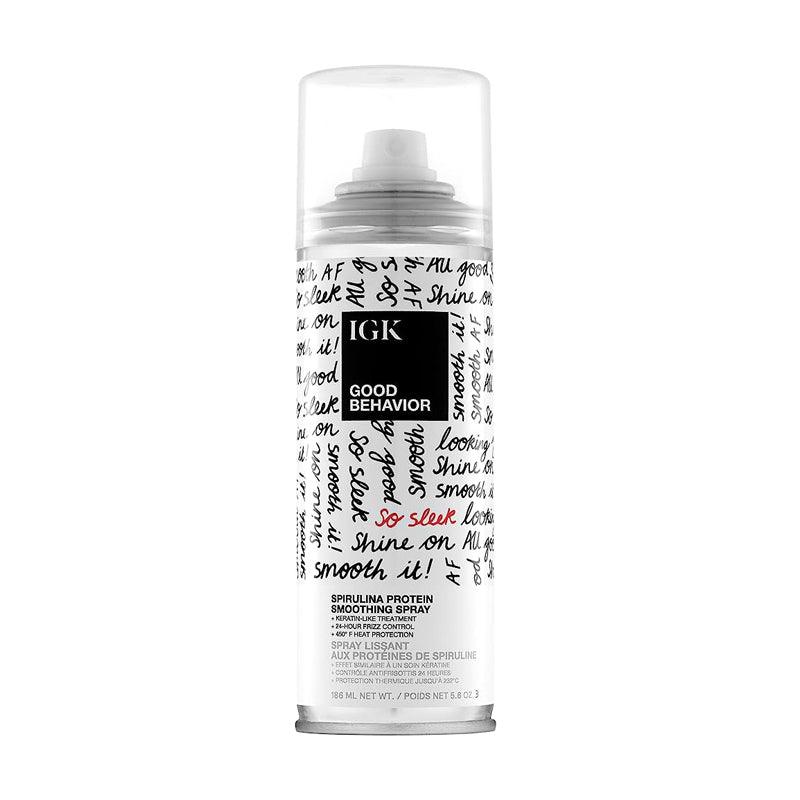
To protect your hair from heat damage, always use a heat protectant like IGK Good Behavior Spirulina Protein Smoothing Spray before you style with hot tools.
The Three Growth Phases Explained
Hair growth happens in three distinct phases that determine your hair's maximum length potential. Anagen (growth phase) lasts 2-7 years depending on genetics, during which hair actively grows about half an inch monthly. Catagen (transition phase) lasts 2-3 weeks when growth stops and follicles shrink. Telogen (resting phase) lasts 3-6 months before hair sheds and new hair begins growing.
About 85-90% of your hair is in anagen phase at any time, 1% in catagen, and 10-15% in telogen. This is why you shed 50-100 hairs daily as part of normal cycling. If someone tells you they never lose hair in the shower, they're either lying or have a drain clogged with evidence of normal shedding.
Your anagen phase length determines your maximum hair length. If your anagen phase lasts 3 years, your maximum length is about 18 inches. If it lasts 7 years, you could potentially grow 42 inches. This is genetic and largely unchangeable.
To support healthy hair growth, use nourishing, strengthening products. Amika The Kure Intense Repair Shampoo is packed with ingredients that help to repair and hydrate damaged strands, which can lead to healthier, stronger hair that grows better.

Frequently Asked Questions About Hair Growth in Fairfield
How fast does hair actually grow?
Hair grows approximately half an inch per month or 6 inches per year on average. This rate is largely genetic and cannot be significantly increased despite marketing claims for growth serums. What you can control is preventing breakage that stops length retention and maintaining scalp health that supports optimal growth rate. At The Warehouse Salon in Fairfield, we focus on keeping hair healthy enough to retain length rather than promising faster growth rates that biology doesn't support.
Why won't my hair grow past a certain length?
Hair isn't stopping growth at a specific length, it's breaking off at the same rate it grows, preventing length retention. Common causes include heat damage from daily styling tools, chemical damage from color or treatments, mechanical damage from tight hairstyles or rough handling, and split ends traveling up the shaft. Trim every 8-10 weeks, minimize heat styling, use strengthening treatments, and handle hair gently when wet.
Do hair growth vitamins actually work?
Hair growth vitamins work only if you have nutritional deficiencies. If you're already getting adequate biotin, iron, B vitamins, and protein in your diet, additional supplements won't make hair grow faster than your genetic potential. However, if you're deficient (common with restrictive diets), supplementing can improve growth quality and prevent excessive shedding. At The Warehouse Salon, we recommend consulting a doctor for blood work before spending money on supplements.
Can stress really cause hair loss?
Yes, significant stress can push hair follicles from growth phase into resting phase prematurely, causing increased shedding 2-3 months after the stressful event. This is called telogen effluvium and is usually temporary, with hair regrowing once stress levels normalize. However, chronic ongoing stress can cause prolonged shedding issues. Managing stress through lifestyle changes, therapy, or medical intervention helps protect hair health.
How long does it take to grow hair from short to long?
Growing hair from pixie cut to shoulder length takes approximately 18-24 months. Shoulder length to mid-back takes another 18-24 months. Short to waist-length requires 4-6 years of consistent growth with minimal trims and careful damage prevention. These timelines assume half-inch monthly growth rate and minimal breakage. At The Warehouse Salon in Fairfield, we help clients set realistic timelines rather than expecting dramatic length in months.
Does cutting hair make it grow faster?
No, cutting hair does not affect growth rate because growth happens at the follicle in your scalp, not at the ends. However, regular trims prevent split ends from traveling up the shaft causing breakage, which improves length retention. Trimming every 8-10 weeks removes damaged ends before they break off on their own, helping you keep the length you grow rather than losing it to breakage.
Ready to Address Your Hair Growth Concerns?
If you're frustrated with slow growth, excessive shedding, or inability to retain length, come see me at The Warehouse Salon in Fairfield. I'll examine your scalp health, assess damage levels, discuss your styling habits and nutrition, and create a realistic plan for improving growth quality and length retention.
I've spent 12 years helping clients understand why their hair behaves the way it does. Most growth disappointment comes from unrealistic expectations about speed or not addressing the actual problems preventing length retention like breakage, poor scalp health, or nutritional deficiencies.
We're located at 1275 Bloomfield Ave Building 1 Unit 3, Fairfield, NJ 07004. Call us at 973-500-4536 to book your consultation.
Let's figure out what's actually limiting your hair growth and create solutions that work with your biology rather than fighting it.
Jessica LaFerrara, The Warehouse Salon
Leave a comment