


The Psychology of Hair Colors: What Your Hair Shade Says About You
Most clients choose hair colors based on photos they see online without considering whether that color will flatter their skin tone, fit their lifestyle maintenance capacity, or align with their actual goals for the change. The difference between a color that transforms you and one that disappoints comes down to understanding why you want the change and whether the color you're considering will achieve that goal while working with your natural coloring.
In this guide, I'll walk through the professional assessment process for color selection based on 20+ years at The Warehouse Salon in DeLand, FL, showing you how skin tone, lifestyle, and your reasons for wanting change determine which colors will actually work for you.
Why Clients Actually Choose New Colors
Three weeks ago, Celestine came in requesting platinum blonde. When I asked why she wanted to go blonde, she said she'd seen it on Instagram and thought it looked "fun and carefree." Her natural level is 3 (dark brown), her skin has warm golden undertones, and she works in finance with conservative dress code.
I had to explain several realities. Achieving platinum from level 3 requires 3-4 bleaching sessions over 4-5 months to avoid severe damage. Platinum on warm skin tones often looks harsh instead of flattering because the cool ash tones clash with golden undertones. Maintenance requires toning every 3-4 weeks and root touch-ups every 4-6 weeks, which means 15-18 salon appointments annually. And platinum blonde in a conservative professional environment often reads as "high maintenance" rather than "fun and carefree."
I made similar mistakes early in my career. First 8 years as a stylist, I gave clients whatever color they requested without exploring why they wanted it or whether it would actually achieve their goal.
The turning point: Ondine came in wanting to cover emerging gray with jet black dye. I applied it without asking questions. She came back six weeks later devastated. The black was too harsh against her maturing skin, making her look older instead of younger (her actual goal). But black dye is nearly permanent, staining the hair shaft. Removing it required months of color correction.
That taught me to explore the "why" before the "what." In 20+ years, I've identified the most common reasons clients want color changes:
- Covering gray, most common, about 60% of color clients.
- Marking a life transition (divorce, new job, milestone birthday), approximately 20%.
- Boredom with current look, 15%.
- Trying to look younger, 10%.
- Self-expression after years of conservative hair, 5%.
Each reason requires different color approaches.
Real Client Case: Covering Gray
Seraphina came in with 40% gray at her temples and crown. She wanted "something low-maintenance that looks natural." This is the most common gray-covering request, but "low-maintenance" and "natural" need definition.
For gray coverage, maintenance visibility depends on color choice contrast with natural gray. Going darker than your natural level creates more obvious regrowth line. Going lighter or matching your natural level creates softer, less visible regrowth.
Seraphina's natural level before graying was 5 (medium brown). Her gray is cool-toned silver. Two options:
- Color to level 5 matching her original color. Regrowth will show as a silver line at 4-5 weeks, requiring touch-ups every 6-8 weeks (8-10 appointments annually).
- Add highlights 1-2 levels lighter than her base, blending with the gray. Regrowth is less obvious because highlighted sections near roots camouflage the gray line. Maintenance every 10-12 weeks (4-5 appointments annually).
She chose highlights for lower maintenance. Six months later, she's happy with the reduced salon frequency and the dimensional color looks more modern than solid brown would have.
Skin Tone: The Factor Most Clients Ignore
When Nephele requested ash blonde because she'd seen it look "sophisticated" online, I assessed her skin tone first. She has warm undertones, peachy-golden skin that flushes pink in heat. Ash blonde is cool-toned, removing all warmth from hair.
Warm skin with cool hair creates unflattering contrast. The cool ash tones make warm skin look ruddy or sallow instead of glowing. For warm-toned skin wanting blonde, golden or honey blonde (warm-toned) creates harmony. The warm hair tones enhance warm skin instead of clashing.
I explained this and showed her photos of warm blonde versus ash blonde on similar skin tones. She chose golden blonde. Three months later, she gets compliments on how "healthy" and "glowing" she looks. That's not the color itself, that's the color working with her skin tone instead of fighting it.
Skin tone assessment determines which colors will flatter:
- Warm undertones (golden, peachy skin that tans easily): warm colors work best, golden blonde, copper, warm brown, auburn.
- Cool undertones (pink, rosy skin that burns easily): cool colors work best, ash blonde, burgundy, cool brown, black.
- Neutral undertones (balanced pink and gold): can wear both warm and cool tones.
The wrong color for your skin tone affects confidence more than any personality stereotype. You can have the "right" color in theory but if it makes your skin look sallow or ruddy, you won't feel good.
Real Client Case: Life Transition Color
Lavinia came in wanting red hair. Not auburn, not copper. Vivid fashion red. She'd never colored her hair before (natural level 6 medium brown) and seemed uncertain but determined.
I asked what prompted this decision. She'd just finalized a divorce after 15 years and wanted "something completely different from who I was in that marriage." This is classic transition color request.
For clients seeking change after major life events, I have honest conversations about whether the color serves the emotional need or creates regret. Red is the fastest-fading color, requiring professional refresh every 3-4 weeks and color-depositing shampoo 2-3 times weekly. That's 15-18 salon appointments annually plus significant home maintenance. If the emotional need is "taking control of my life," committing to high-maintenance color might feel empowering short-term but burdensome long-term.
We discussed alternatives that signal change without maximum maintenance:
- Rich auburn, still bold, lasts 6-8 weeks between touch-ups.
- Balayage adding copper tones, dimensional change, 10-12 weeks maintenance.
- Face-framing highlights, frames face with color without full commitment.
She chose auburn. Six months later, she's maintained it consistently and says it still feels like "new her" without the stress of constant fading she would have experienced with fashion red.
Lifestyle and Maintenance Reality
When Marceline requested balayage blonde, I asked about her lifestyle. She works 60-hour weeks in healthcare, has two young children, hasn't been to a salon in 8 months because "finding time is impossible."
Blonde balayage requires maintenance every 8-12 weeks (more realistic: every 10-14 weeks if stretched). That's 4-5 appointments annually minimum. For someone who struggles to find salon time, this creates stress instead of confidence.
I recommended rich brunette with subtle caramel lowlights instead. Lowlights (going darker) grow out less obviously than highlights (going lighter). She can go 12-16 weeks between appointments, sometimes 4-5 months if necessary. The color still provides dimension and change without the maintenance pressure.
Color choice must match lifestyle reality:
- High-maintenance colors (platinum blonde, fashion red, vivid fashion colors) require 12-18 appointments annually.
- Medium-maintenance (highlights, balayage, dimensional color) require 4-8 appointments annually.
- Low-maintenance (single-process close to natural level, lowlights, gray blending) require 3-5 appointments annually.
If you can't commit to the maintenance schedule, the color will look unkempt within weeks, undermining the confidence boost you wanted.
Real Client Case: The Youth-Seeking Client
Isolde came in at 58 wanting to "look younger." She requested dark brown, level 3, to cover her 70% gray. Her natural level before graying was 6 (medium brown), her skin tone is cool with pink undertones.
Very dark hair on mature skin often has the opposite effect, making you look older instead of younger. Dark color creates harsh contrast with skin, emphasizing fine lines and texture rather than softening them. Additionally, going significantly darker than your natural level fights your coloring instead of enhancing it.
For clients wanting to look younger, I recommend staying within 1-2 levels of natural pre-gray color, adding dimensional color (highlights or lowlights) to create movement and light reflection, and choosing colors that harmonize with skin tone rather than create contrast.
For Isolde's cool-toned skin and natural level 6, I recommended level 6 cool brown base with level 7-8 ash highlights around the face. This creates a lifted, fresh appearance. The dimensional color reflects light, making skin look more luminous. The face-framing highlights brighten the complexion.
She was hesitant, worried it wouldn't cover gray effectively. I explained that properly formulated color at any level covers gray, darkness doesn't equal better coverage. Three months later, multiple people have told her she "looks rested" and "glowing." That's strategic color placement working with her features instead of fighting them.
Face Shape and Color Placement
Reverie wanted all-over blonde. During consultation, I assessed her face shape: round face with width at cheeks and soft jawline. All-over light blonde on round faces can emphasize width because light hair expands visually.
Strategic color placement affects face shape perception:
- Round faces wanting blonde: keep the perimeter around the face 1-2 levels darker than the interior color. This creates a subtle shadow that narrows the face while still achieving blonde on the majority of hair.
- Long faces: face-framing highlights that are lighter than the base add width at sides, balancing face length.
- Square faces: soft graduated color (not harsh lines) softens angular jawline.
Color isn't just about the shade, it's about strategic placement for your specific features.
Climate Impact in DeLand
When Cassius moved to DeLand from Michigan and wanted to maintain his ash blonde, I had to explain Florida's impact on color. The intense UV exposure (230+ sunny days annually) oxidizes hair color, causing blonde to turn brassy within 3-4 weeks instead of the 6-8 weeks he experienced in Michigan.
DeLand clients with color-treated hair need UV protection products year-round. Alfaparf Semi Di Lino Sublime Blonde Anti-Yellow Low Shampoo helps maintain cool tones on blonde hair, but Florida sun requires more frequent toning (every 3-4 weeks versus 6-8 weeks in less sunny climates).

Red hair fades fastest in sun. DeLand clients with red need Bain De Terre Passion Flower Color Preserving Shampoo plus color-depositing treatments every 2-3 weeks to maintain vibrancy.
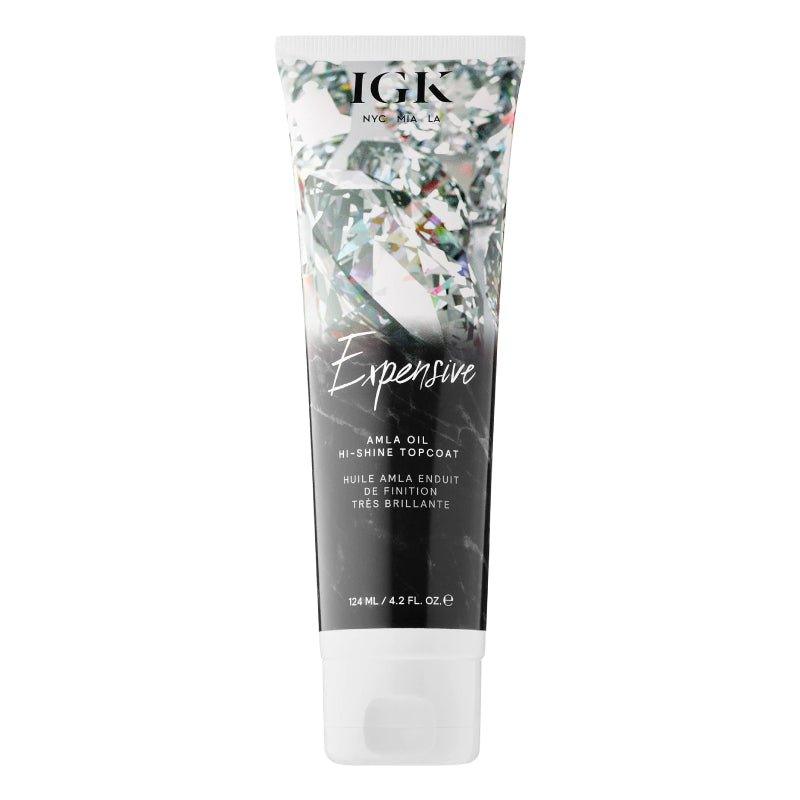
Black hair in Florida sun fades to reddish-orange tones. IGK Expensive Amla Oil Hi-Shine Topcoat with UV protection helps maintain depth and shine.
Fantasy Colors: Understanding the Commitment
When Thessaly requested pastel pink hair, I walked through the reality. Achieving pastel requires bleaching to level 10-11 (white blonde), which takes 3-4 sessions over 3-4 months from her level 4 starting point. The pastel color itself fades to barely-there tint within 2-3 weeks, requiring professional refresh every 2-3 weeks to maintain vibrancy. That's 20-24 salon appointments annually plus Tressa Watercolors Intense Shampoo used 2-3 times weekly at home.

Additionally, her workplace has conservative dress code. Fantasy colors may violate professional appearance policies.
She decided against pastel pink after understanding the full commitment. We did rose gold instead, a more muted fantasy color that requires less frequent maintenance (every 4-6 weeks) and reads as "highlights with a twist" rather than full fantasy hair in her workplace.
Ready for Strategic Color Consultation?
During your consultation at The Warehouse Salon, I'll:
- Assess your skin tone to determine which color families will flatter.
- Discuss your actual goals for the change to identify what you're hoping to achieve.
- Review your lifestyle and time availability to match color to realistic maintenance capacity.
- Examine your natural level and existing color to provide honest timeline and process expectations.
- Recommend strategic color placement based on face shape if dimensional color is appropriate.
Color choice should be strategic, not stereotypical. Your goals, features, and lifestyle determine what will actually work.
Visit us at 1782 S Woodland Blvd, DeLand, FL 32720, or call (386) 873-6188 to book your consultation with Jennifer Lopez, who brings 20+ years of experience in color selection, skin tone assessment, and matching color choices to client goals and lifestyles.
Here at The Warehouse Salon in Fairfield, NJ, we see this all the time with our clients.
From the team at The Warehouse Salon in Fairfield, NJ. Questions? Book a free consultation or call (973) 500-4536.
Leave a comment