


The Importance of Scalp Health and How to Achieve It
Your scalp is the foundation of healthy hair, but most people completely ignore it until something goes wrong. Itching, flaking, dryness, oiliness, thinning. These problems do not just appear out of nowhere. They are signs that your scalp needs attention. And no amount of expensive hair products will fix your hair if your scalp is unhealthy.
I'm Bri, a stylist at The Warehouse Salon in Fairfield. I have seen every scalp issue you can imagine. Most of them are fixable once you understand what is actually going on. Let me tell you about a client who thought she just had bad dandruff until we figured out what her scalp really needed.

When Your Scalp Will Not Stop Flaking
A client named Jasmine came to me embarrassed about her scalp. She was a 29 year old paralegal in Montclair (she now drives past salons in Wayne and Cedar Grove to come see us in Fairfield) who had been dealing with flaking and itching for over a year. She had tried every dandruff shampoo at the drugstore. Some helped temporarily, then the flaking came back worse. She was afraid to wear dark colors because the flakes showed on her shoulders.
"Bri, I wash my hair every single day because my scalp feels so gross," she said. "But it just keeps flaking. I have tried Head and Shoulders, Selsun Blue, everything. Nothing works for more than a few days. What is wrong with me?"
I looked at her scalp and the problem was not dandruff at all. Her scalp was bone dry and irritated. The dandruff shampoos she was using were stripping what little moisture she had left. And washing every day was making everything worse. Her scalp was overproducing oil and skin cells trying to compensate for being stripped raw daily.
"Your scalp is not dirty," I told her. "It is damaged. We need to completely change how you are treating it."
What Your Scalp Actually Needs to Be Healthy
Your scalp is skin. It needs the same things your face needs: cleansing without stripping, moisture, exfoliation, and protection. Most people treat their face with multiple products and careful attention but treat their scalp like it can handle anything. Then they wonder why it rebels.
Healthy scalp skin has a balanced microbiome, adequate oil production, proper hydration, and good circulation. When any of these get disrupted, problems start. Over-washing strips the natural oils and disrupts the microbiome. Under-washing leads to buildup that clogs follicles. Harsh products cause irritation. Stress and diet affect circulation and oil production.
Jasmine had disrupted her scalp in multiple ways. Daily washing with harsh dandruff shampoos stripped her oils. Her scalp responded by overproducing both oil and skin cells, which created the flaking she was trying to fix. The more she washed, the worse it got. It was a vicious cycle that would not break until she changed her approach entirely.
Keep Your Scalp Clean Without Over-Washing
One of the easiest ways to promote scalp health is finding the right washing frequency. For most people, that is two to three times a week, not every day. Washing too often strips your scalp of natural oils, which leads to dryness, irritation, and paradoxically more oiliness as your scalp tries to compensate.
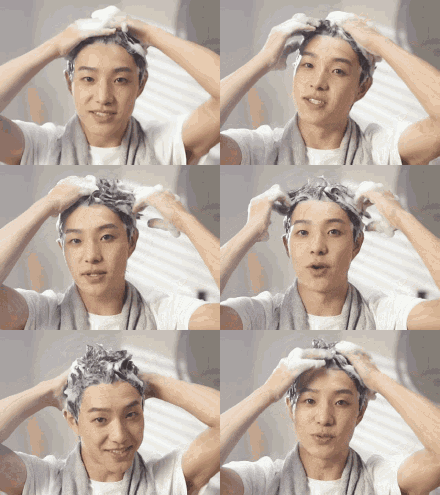
Jasmine was horrified when I told her to cut back to washing twice a week. She could not imagine going more than a day without shampooing. But I explained that her scalp needed time to rebalance. The first two weeks would feel greasy while her oil production adjusted. Then things would normalize.
When you do wash, use a gentle shampoo that does not contain harsh sulfates. And occasionally, do a clarifying wash to remove buildup that regular shampoo misses. To learn more about when and how to clarify, read my blogs on What Does Clarifying Hair Do.
Exfoliate Your Scalp Regularly
Just like the rest of your body, your scalp benefits from regular exfoliation. Dead skin cells, product buildup, and excess oil can clog hair follicles and lead to flaking, itching, and even hair thinning. Exfoliating once a week helps remove all of that and keeps follicles clear.

This was a game changer for Jasmine. She had never exfoliated her scalp before. I started her on Natulique Exfoliative Scalp and Skin Therapy, which is designed for dry or flaky scalps and contains tea tree oil to soothe irritation. She massages it into her scalp for ten minutes, wraps her hair in a towel, then rinses after twenty minutes.
The first time Jasmine did a scalp exfoliation, she was shocked at how much buildup came off. All those layers of dead skin and product residue had been sitting on her scalp, contributing to the flaking she could not get rid of. Weekly exfoliation became a permanent part of her routine.
Moisturize Your Scalp
Dryness is one of the most common scalp issues, and it can be caused by weather, hot styling tools, harsh products, or just genetics. If your scalp is dry, it needs moisture just like dry skin on your face would. Ignoring it leads to itching, flaking, and irritation.
Jasmine's scalp was severely dehydrated from all the stripping dandruff shampoos. I added Keune So Pure Moisturizing Essential Oil to her routine. It contains argan oil, jojoba oil, and almond oil that hydrate the scalp without leaving greasy residue. She applies a few drops directly to her scalp between washes when it feels tight or dry.

For more intense hydration, especially if you have curly or textured hair that tends toward dryness, Ouidad Advanced Climate Control Heat and Humidity Gel is another great option. It contains aloe, hyaluronic acid, and vitamins that soothe and restore the scalp. You part your hair into sections, apply a drop or two to each section, massage it in, and leave it. No rinsing required.
Protect Your Scalp from the Sun
Most people never think about sunscreen for their scalp, but your scalp can burn just like any other skin. Sunburn on your scalp is painful, leads to peeling and flaking, and increases your risk of skin cancer in an area that is hard to monitor for changes.

Jasmine works outside occasionally for her job and had never considered scalp protection. If you are going to be in the sun, wear a hat or use a sunscreen spray designed for the scalp. This is especially important if you have thinning hair or a visible part where scalp skin is exposed.
Choose Products That Support Scalp Health
The products you use every day have a huge impact on your scalp. Harsh sulfates strip natural oils. Silicones can build up and clog follicles. Synthetic fragrances can cause irritation. If your scalp is sensitive or problematic, switching to gentler products often helps more than adding treatments on top of bad basics.

Jasmine's dandruff shampoos were loaded with harsh ingredients that were stripping her scalp. I switched her to sulfate-free, gentle formulas like Lakme Teknia Organic Balance Shampoo and her scalp started improving almost immediately. For help finding the right shampoo for your hair type and scalp needs, read my blog on Hair Products We Recommend for Healthy Hair.
Eat for Scalp Health
Your scalp health is closely tied to your overall health. What you eat shows up in your skin and hair. A diet lacking in essential nutrients can lead to dry scalp, hair thinning, and slow growth. Pairing good nutrition with a targeted scalp product like Zenagen Evolve Nourish Shampoo gives your follicles the best chance. Foods that support scalp health include leafy greens, nuts, fish, and eggs, which are all rich in vitamins and omega fatty acids.

Jasmine admitted her diet was mostly takeout and coffee. I am not a nutritionist, but I told her that adding more protein and healthy fats might help her scalp recover faster. She started eating more salmon and avocado and noticed her scalp felt less dry within a few weeks. Coincidence or not, it did not hurt.
Manage Your Stress
Stress affects everything, including your scalp. When you are stressed, your body produces hormones that can trigger inflammation, disrupt oil production, and even cause hair shedding. If your scalp problems flare up during stressful periods, that is not a coincidence.
Jasmine's scalp issues had started during a particularly stressful period at work. Once she recognized that connection, she started taking stress management more seriously. Better sleep, occasional meditation, and setting boundaries at work all helped. Her scalp improved as her stress levels decreased. The products helped, but addressing the root cause made the biggest difference.Your Scalp Health Questions Answered
How do I know if I have dandruff or just a dry scalp?
Dandruff flakes are usually larger, yellowish, and oily. Dry scalp flakes are smaller, white, and your scalp feels tight. The treatments are different. Dandruff needs antifungal ingredients. Dry scalp needs moisture. Jasmine thought she had dandruff but actually had severe dry scalp, which is why dandruff shampoos made her worse.
How often should I exfoliate my scalp?
Once a week is usually enough for most people. If you have very oily hair or use a lot of styling products, you might benefit from twice a week. Jasmine does it every Sunday as part of her wash routine and it keeps buildup from accumulating.
Can scalp problems cause hair loss?
Yes. Clogged follicles, inflammation, and chronic irritation can all affect hair growth and cause shedding. Fixing scalp problems often improves hair thickness and growth. Jasmine noticed less hair in her brush once her scalp healed.
Give Your Scalp the Attention It Deserves
Jasmine spent over a year fighting flaking with the wrong approach. Once she stopped over-washing, started exfoliating, added moisture, and switched to gentler products, her scalp transformed. No more flaking. No more itching. No more embarrassment about wearing black.
"I cannot believe the answer was to wash less and moisturize more," she told me. "I was doing the exact opposite of what my scalp needed."
Taking care of your scalp is just as important as taking care of your hair. If you are dealing with scalp issues that will not go away, book a consultation. Between visits, try Olaplex No. 0.5 Scalp Longevity Treatment to keep your scalp healthy. I can look at your scalp, identify what is actually going on, and recommend the right products and routine for you. Follow me on Instagram @themanebri for more tips.
Book at The Warehouse Salon in Fairfield at 1275 Bloomfield Ave, Building 1, Unit 3 by calling 973-500-4536.
Healthy hair starts with a healthy scalp.
From the team at The Warehouse Salon in Fairfield, NJ. Questions? Book a free consultation or call (973) 500-4536.
Leave a comment