


Hat Hair, Don’t Care: Hairstyles That Look Fabulous Under Your Favorite Hats
Hat hair happens because hats compress your hair against your scalp, flatten the crown, create tension lines at the band, and trap heat and moisture that disrupts your style. The hairstyles that survive hat wearing aren't necessarily the ones that photograph well, they're the ones that account for compression, maintain structure despite flattening, and can be quickly refreshed after hat removal.
Last Thursday at our Fairfield location, Celestine came in for her regular appointment wearing a wool beanie. When she removed it, her carefully blow-dried hair was completely flattened at the crown with visible indentation lines circling her head where the hat band had been. "I spent 20 minutes styling this morning," she said, frustrated.
This happens constantly during our North Jersey winters, whether you're commuting from Wayne, Montclair, or right here in Fairfield, where clients wear hats daily but still want their hair to look presentable when they arrive at work or social events.
In this guide: I'll walk you through the hairstyles that actually work under different hat types, based on my fifteen years at The Warehouse Salon working through every winter season and outdoor event.
Understanding Why Hat Hair Happens
When Amaryllis came in complaining that "nothing works" under her winter hats, I asked her to demonstrate her usual styling. She was creating volume at the crown with a round brush and setting spray, then putting on a tight-fitting beanie that compressed everything she'd just created. The volume was gone within five minutes because she was working against basic physics.
Hats create several simultaneous problems: compression (flattens volume), tension (creates indentation lines), moisture and heat buildup (disrupts set styles and creates frizz), and oil transfer from hat liners (makes roots look greasy). Different hat types create different problems. Tight beanies and winter hats cause maximum compression and moisture buildup.
Baseball caps create sharp indentation lines at the band and flatten the crown but leave the back relatively undisturbed. Wide-brim hats and fedoras allow more airflow but still compress the crown area where the hat sits.
The hairstyles that work best either avoid the problem areas entirely (low placement away from crown and hat band) or embrace the compression by using styles that don't rely on volume.
Low Ponytails: Why Placement Matters More Than Products

Seraphina has thick, straight hair past her shoulders and wears baseball caps frequently for her landscaping business. She was placing her ponytail at mid-head level, which positioned it directly where the cap's adjustment band sits. Every time she wore her cap, the ponytail created a bulge that made the hat sit awkwardly, and when she removed the cap, she had a severe dent line running horizontally across her ponytail.
For baseball caps, beanies, and winter hats, ponytails must be placed at the nape of the neck, below where any hat band sits. This keeps the bulk low and away from compression zones. The ponytail should be secured firmly but not with excessive tension, tight elastic bands create their own indentation that compounds hat band damage.
For fine to medium hair that tends to get flyaways, Amika The Wizard Detangling Primer applied to damp hair before styling creates a smoother surface that resists frizzing under hats. The key is using it as a base product when your hair is still damp, not as a finishing product on dry styled hair. Seraphina was trying to apply it after her ponytail was complete, which just made the surface feel slightly sticky without actually controlling flyaways.

The realistic expectation: your ponytail will have some compression at the crown where the hat sits. When you remove your hat, flip your head upside down and shake at the roots to restore some volume. A quick spritz of IGK First Class Charcoal Detox Dry Shampoo at the roots can bring back freshness, then smooth the surface. Don't expect perfect crown volume, expect presentable texture.
Braids: Texture and Density Determine Success

Ondine has fine, slippery hair and tried wearing a single braid down her back under winter hats like I'd suggested. Within two hours, the braid had loosened significantly and pieces were sliding out everywhere because fine hair doesn't create enough friction to hold braided tension, especially under the moisture and warmth that builds up inside winter hats.
Braids work best on medium to thick hair textures that create natural friction and grip. For clients with fine hair who want braids under hats, the braid needs to be secured at multiple points (elastic at the base, then another elastic mid-braid, then at the end) and needs product for grip.
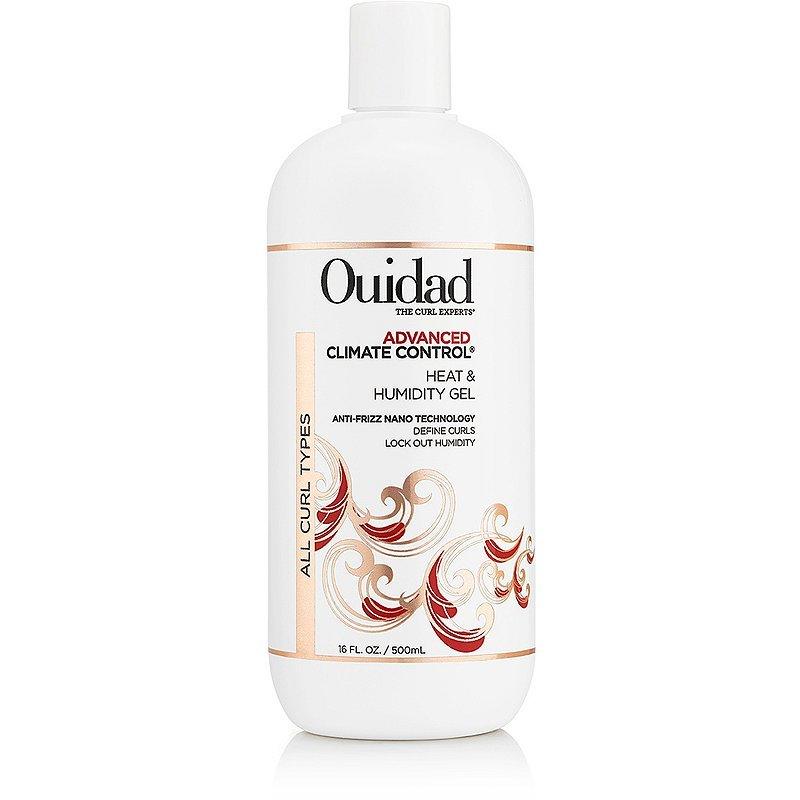
Ouidad Advanced Climate Control Gel provides hold without crunchiness, which matters because crunchy hair feels unpleasant under hats and tends to break at the points where the hat creates pressure. Apply a small amount (dime-sized for fine hair, quarter-sized for thick) to damp hair before braiding. This creates enough texture and hold that the braid maintains structure even with hat compression and moisture.
Side braids place the bulk to one side, which works well under baseball caps but can create an uneven appearance under beanies that compress both sides equally. Two pigtail braids distribute bulk evenly and work better under winter hats, but require enough hair length (past shoulders minimum) to keep the braids hanging below the hat line rather than getting tucked inside.
Natural Texture: Working With Compression Instead of Against It
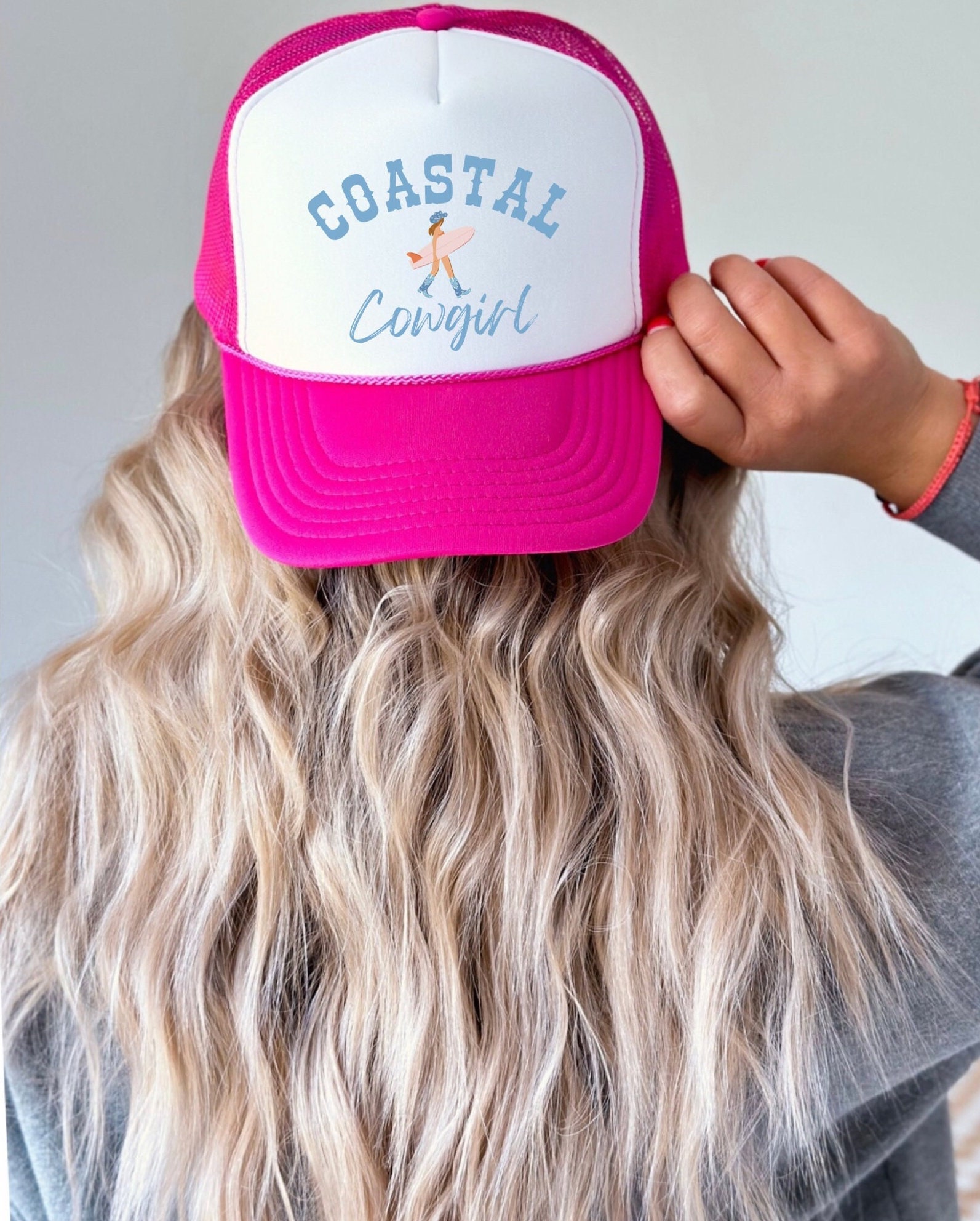
Lavinia has wavy, medium-density hair and was fighting a losing battle trying to maintain defined waves under winter hats. The compression and moisture were disrupting her wave pattern within an hour, leaving her with half-straight, half-wavy inconsistent texture.
For textured hair (wavy, curly, or coily), the approach that actually works is enhancing natural texture in a way that doesn't rely on specific definition or volume. When you remove your hat, you'll need to scrunch and refresh, not maintain the exact style you started with.
Shibui Volumizing Mousse applied to damp hair creates body and texture that, while it gets compressed under hats, can be revived afterward. The technique: apply mousse to damp hair, scrunch to encourage natural texture, let air dry or diffuse. Wear your hat. When you remove the hat, spritz the compressed areas lightly with water, scrunch again, and let it reset for a few minutes.
This won't give you Instagram-perfect waves, but it gives you intentional, lived-in texture rather than matted, damaged-looking flatness. Lavinia stopped trying to maintain perfect wave definition and started embracing "refreshed texture," which looks significantly better than compressed formal styling.
Strategic Buns: Placement Determines Hat Compatibility
Evelyn came in excited about a tutorial she'd seen for a high messy bun that supposedly works under beanies. When I asked her to demonstrate, the problem was immediately obvious. The bun sat at the crown of her head, exactly where the beanie compressed most severely. The bulk created a visible bump under the hat that looked awkward, and when she removed the beanie, the bun was flattened and misshapen.
Buns only work under hats if they're placed low at the nape, below the hat's compression zone. High buns, messy buns at the crown, and top knots are completely incompatible with beanies and winter hats. They work marginally better under baseball caps with ponytail openings, but those caps are designed for ponytails, not buns.
For a sleek low bun that survives hat wearing, the hair needs to be smooth and secured tightly enough to maintain shape but not so tight that you get tension headaches. Amika Top Gloss Shine Spray applied after the bun is complete creates a polished finish and helps seal down any surface frizz that might worsen under a hat.

The half-up style (top section pulled back, bottom section down) fails under most hats because the secured top section creates bulk at exactly the crown compression point. This only works under wide-brim hats or loose beanies worn pushed back, not pulled down over the crown.
Straight Hair: The Simplest Solution That No One Wants to Hear
Cassius has shoulder-length straight hair and wanted to wear it down under winter hats while maintaining volume and movement. I had to tell him what he didn't want to hear: that's not realistic. Straight hair worn down under hats will flatten, create static (especially with wool hats), and show every compression line.
The approach that actually works is accepting that straight hair under hats will be flat and working with it rather than fighting it. Style your hair straight and sleek intentionally, use a heat protectant like Amika Blockade Heat Defense Serum to protect during heat styling, and plan to touch up with a flat iron or straightener after removing your hat if you need to look polished.
At our Chatham location, where many clients commute into New York City wearing hats, several keep a small flat iron at their office for touch-ups after removing winter hats. It's not ideal, but it's realistic. The alternative is wearing your hair up to avoid the compression issue entirely.
What Actually Happens to Curled Hair Under Hats
Nephele curls her hair with a 1.25-inch barrel iron every morning, then wears a beanie during her commute. By the time she removes her hat at work, the curls at her crown are completely flattened while the curls at the nape (below the hat line) remain intact. She was frustrated that her "curls don't hold," but the issue wasn't hold, it was compression.
Curls cannot survive compression. If you curl your hair and then compress it under a hat, the compressed sections will lose their curl pattern. The only ways to maintain curls under hats are: (1) wear a hat with enough interior space that it doesn't compress (rare), (2) position curls below the compression zone (low curls that hang from under the hat), or (3) plan to re-curl after removing your hat.
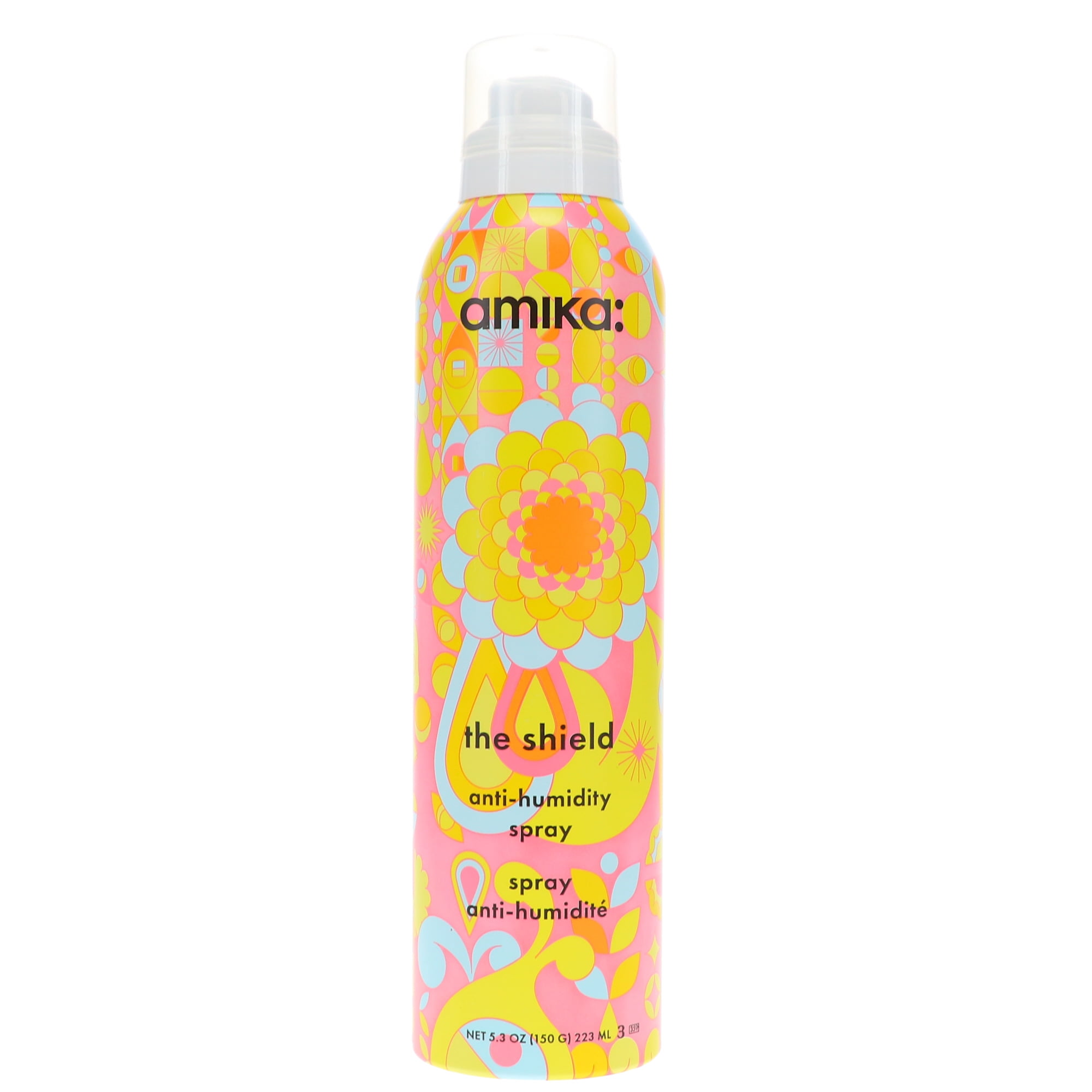
If you're doing option 2, Amika The Shield Anti-Humidity Spray helps the curls below your hat maintain definition in the moisture and warmth that builds up under winter hats. But this doesn't help the compressed top sections, it only preserves what's hanging free.
The Styles That Don't Work (And Why Clients Keep Trying Them)
Every winter, I have clients come in excited about tutorials they've seen for "hat-friendly hairstyles" that fundamentally don't work. The most common failures:
High ponytails with baseball caps. These require caps with ponytail openings in the back, and even then, the ponytail placement creates tension on the scalp that causes headaches within an hour.
Voluminous blowouts under beanies. All the volume you create with a round brush and blow-dryer disappears within minutes under a tight-fitting hat. The moisture and compression flatten everything.
Intricate updos under any hat. Multiple pins, twisted sections, and complex structures get disrupted by hat pressure and create uncomfortable pressure points on your scalp.
Beach waves under winter hats. The heat and moisture inside a wool or fleece-lined winter hat is the opposite of beach conditions. Your texture will become inconsistent and frizzy, not "effortless."
Realistic Expectations and Solutions
When Celestine came back two weeks after our conversation about hat hair, she'd adjusted her approach completely. Instead of trying to maintain a styled look under her winter hat, she was wearing her hair in a low ponytail during her commute, then using five minutes in the office bathroom to refresh. She'd spray the compressed crown area lightly with water, flip her head upside down and massage at the roots to restore some texture, then smooth the surface. It didn't look as polished as a fresh blowout, but it looked presentable and took minimal time.
That's the realistic solution to hat hair: choose styles that minimize damage, accept that you'll need to refresh after hat removal, and stop expecting perfection. Your hair after several hours under a hat will not look salon-fresh. But it can look intentional rather than neglected if you plan appropriately.
At our Fairfield, Chatham, and DeLand locations, we work with clients on realistic styling for their lifestyles. If you wear hats daily and are frustrated with the results, book a consultation. I can assess your hair type, demonstrate placement techniques that work for your specific texture, and recommend products that actually help rather than just adding to the problem. The goal isn't perfect hair despite hats, it's manageable hair that works with your real life.
Ready to Find Your Perfect Hat-Compatible Style?
Let's create a personalized hat hair strategy based on your specific hair type, hat preferences, and daily routine. During your consultation at The Warehouse Salon, I'll assess your hair texture and density to determine which hat-friendly styles will work best, demonstrate proper placement techniques for ponytails, braids, or buns that avoid compression zones, show you quick refresh methods for post-hat touch-ups, recommend specific products that combat moisture buildup and compression damage, and set realistic expectations about what your hair will look like after hat removal.
Come see us at 1782 S Woodland Blvd, DeLand, FL 32720. Give us a call at (386) 873-6188 to schedule your styling consultation.
We can't wait to help you develop a practical approach to hat hair that works with your lifestyle, not against it, because looking presentable shouldn't mean choosing between warmth and good hair days.
From the team at The Warehouse Salon in Fairfield, NJ. Questions? Book a free consultation or call (973) 500-4536.
Leave a comment