


Hair Porosity 101: What It Means and How to Care for Your Hair Type
Hair porosity refers to how well your hair absorbs and retains moisture, determined by whether your cuticle (outer layer) is tightly closed, moderately open, or very porous. Low porosity hair resists moisture but holds it once absorbed, medium porosity hair balances moisture easily, and high porosity hair absorbs moisture quickly but loses it just as fast. Understanding your porosity type explains why certain products work or fail, why your hair behaves differently in humidity, and whether you need lightweight moisture or heavy sealants.
Hey, it's Jessica LaFerrara from The Warehouse Salon in Fairfield, NJ. I've spent 12 years behind the chair, and porosity is the concept that changed how I approach every single client's hair care routine. Once you understand whether your hair is low, medium, or high porosity, product selection becomes logical instead of guesswork.
In this guide: Real clients from Fairfield and Essex County who discovered their porosity type, how that knowledge solved their long-standing hair problems, and which products actually work for each porosity level instead of making things worse.
What Hair Porosity Actually Means
Hair porosity describes your hair cuticle's ability to absorb and hold moisture. Think of your hair strand like a series of shingles on a roof. Low porosity means those shingles lay flat and tight, making it hard for moisture to get in. High porosity means those shingles are raised, cracked, or damaged, allowing moisture in easily but also letting it escape just as fast.

Medium porosity is balanced. The cuticles open enough to let moisture in but close enough to keep it there. Most people have medium porosity naturally, but damage from color, heat, or chemical treatments can push you toward high porosity.
Your porosity isn't permanent. Virgin, healthy hair typically has lower porosity. As you color, heat style, or chemically process your hair over years, porosity increases because the cuticle becomes damaged and more porous.
Low Porosity: The Moisture-Resistant Challenge
Mariska from Caldwell came in frustrated. "I use deep conditioning masks every week," she said. "But my hair still feels dry and product just sits on top instead of absorbing. I don't understand what I'm doing wrong." I felt her hair. It was smooth, shiny, but definitely moisture-resistant.
I explained low porosity. "Your cuticles are tightly closed," I told her. "That's actually healthy hair, but it means moisture can't penetrate easily. Products sit on the surface instead of absorbing. You need lightweight products and heat to help them penetrate." We did a simple test by putting a strand of her hair in water. It floated on top instead of sinking, confirming low porosity.
"So my hair isn't damaged, it's just too healthy?" she asked. Exactly. Low porosity hair needs a different approach: lightweight products that won't build up, and heat (like a hooded dryer or warm towel) when deep conditioning to open the cuticle temporarily.
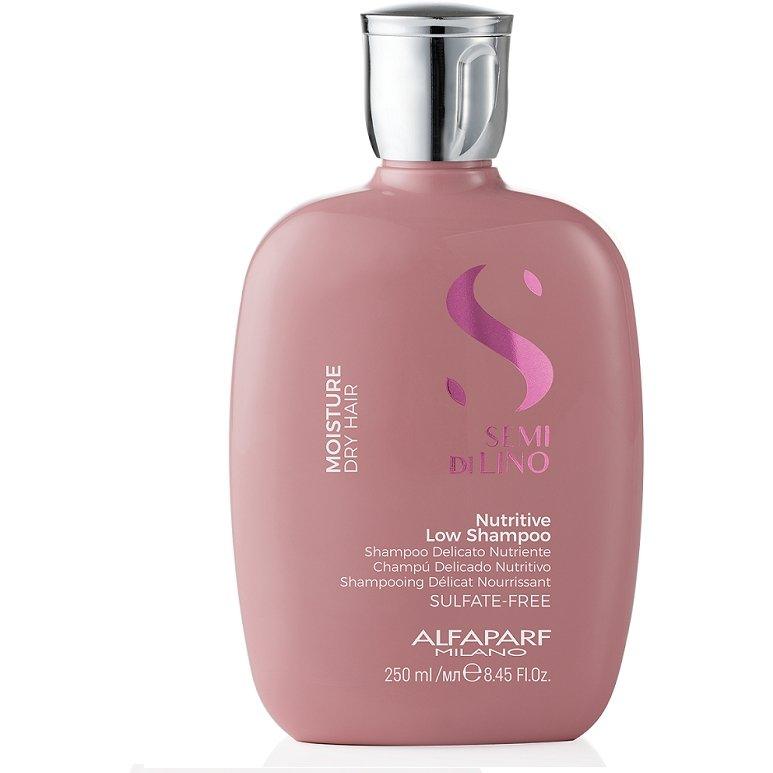
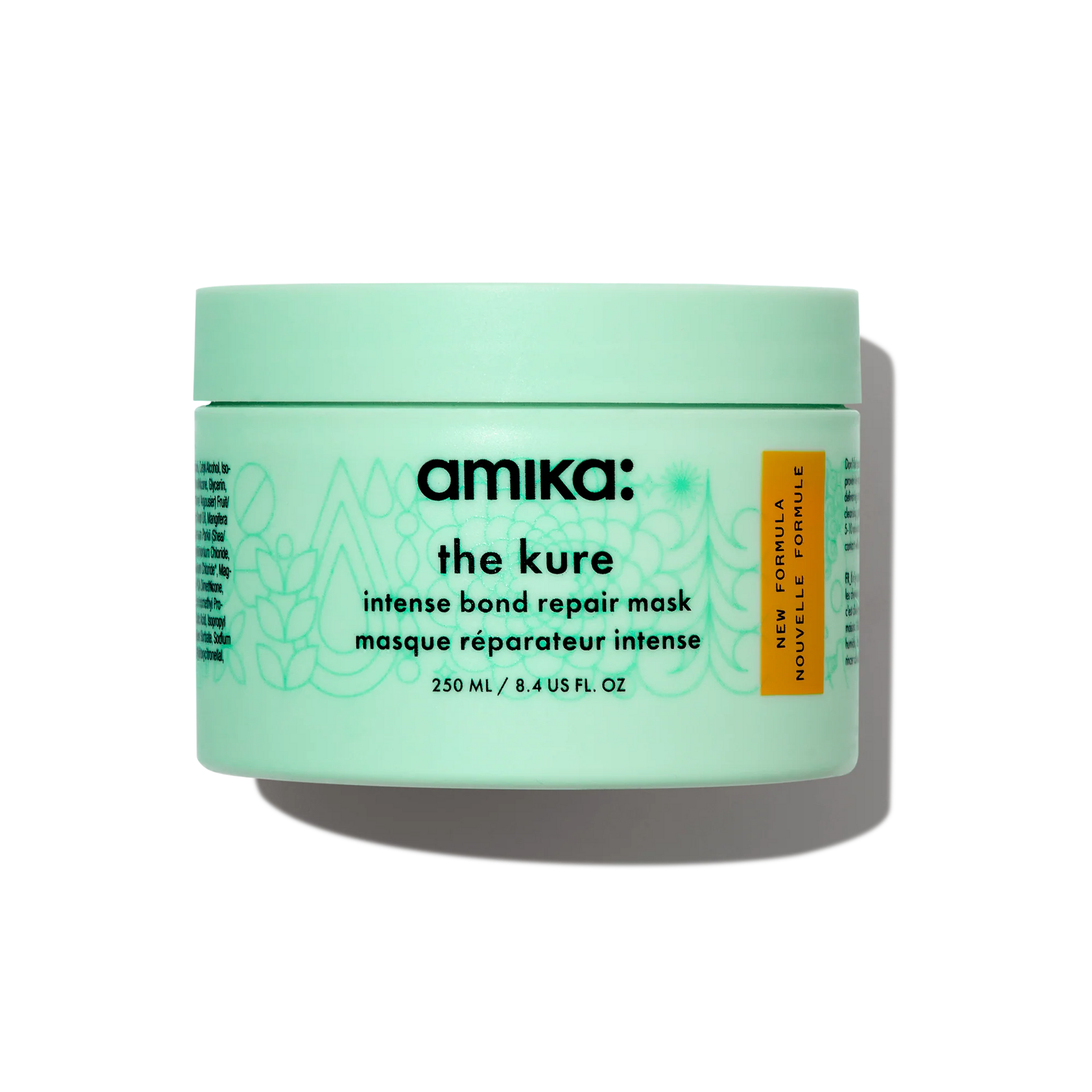
We switched her to Alfaparf Milano Semi Di Lino Moisture Nutritive Shampoo which is formulated specifically for resistant hair, and Amika The Kure Intense Repair Mask which she applied with heat. "My hair finally feels moisturized," she said at her next appointment. "The heat trick changed everything. I sit under my bonnet dryer for 20 minutes with the mask on."
Medium Porosity: The Balanced Goldilocks Type
Thessaly from West Caldwell had what most stylists dream of: balanced, healthy hair. "I don't really have problems," she said. "My hair does what I want it to do. But I don't know if I'm using the right products or just got lucky." She'd been using random drugstore products with decent results.
I did the porosity test with her. Her hair sank slowly in water, settling in the middle of the glass instead of floating or sinking immediately. Perfect medium porosity. "You have the Goldilocks type," I explained. "Your cuticles open enough to let moisture in but close enough to keep it there. That's why everything seems to work for you."
"So should I just keep doing what I'm doing?" she asked. Not necessarily. Medium porosity is easy to maintain, but it can shift toward high porosity if you're not careful with heat styling or color. Prevention is key.
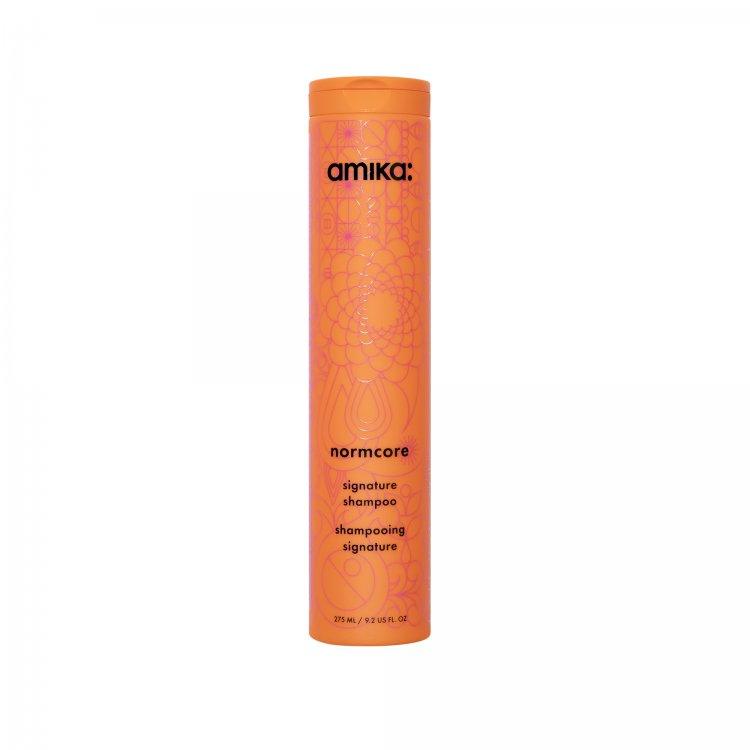
We upgraded her to Amika Normcore Signature Shampoo and Alfaparf Milano Semi Di Lino Smoothing Cream Conditioner to maintain her balance. "I don't see a dramatic difference because my hair was already happy," she said. "But I know I'm protecting what I have instead of slowly damaging it with harsh drugstore sulfates."

High Porosity: The Thirsty, Damaged Reality
Calista from Montclair had the classic high porosity complaint. "My hair is always dry no matter what I do," she said. "I deep condition constantly, but it feels dry again within hours. And it's so frizzy in humidity." She'd been bleaching her hair for years, which explained everything.
I did the porosity test. Her hair sank immediately to the bottom of the glass, confirming high porosity. "Your cuticles are damaged and raised from years of lightening," I explained. "Moisture gets in easily but also escapes immediately. You need heavy, sealing products that lock moisture in and close the cuticle as much as possible."
"So my dry hair isn't because I need more moisture, it's because I can't keep moisture?" she asked. Exactly. High porosity hair absorbs everything quickly but releases it just as fast. The solution isn't more moisture but better moisture retention.
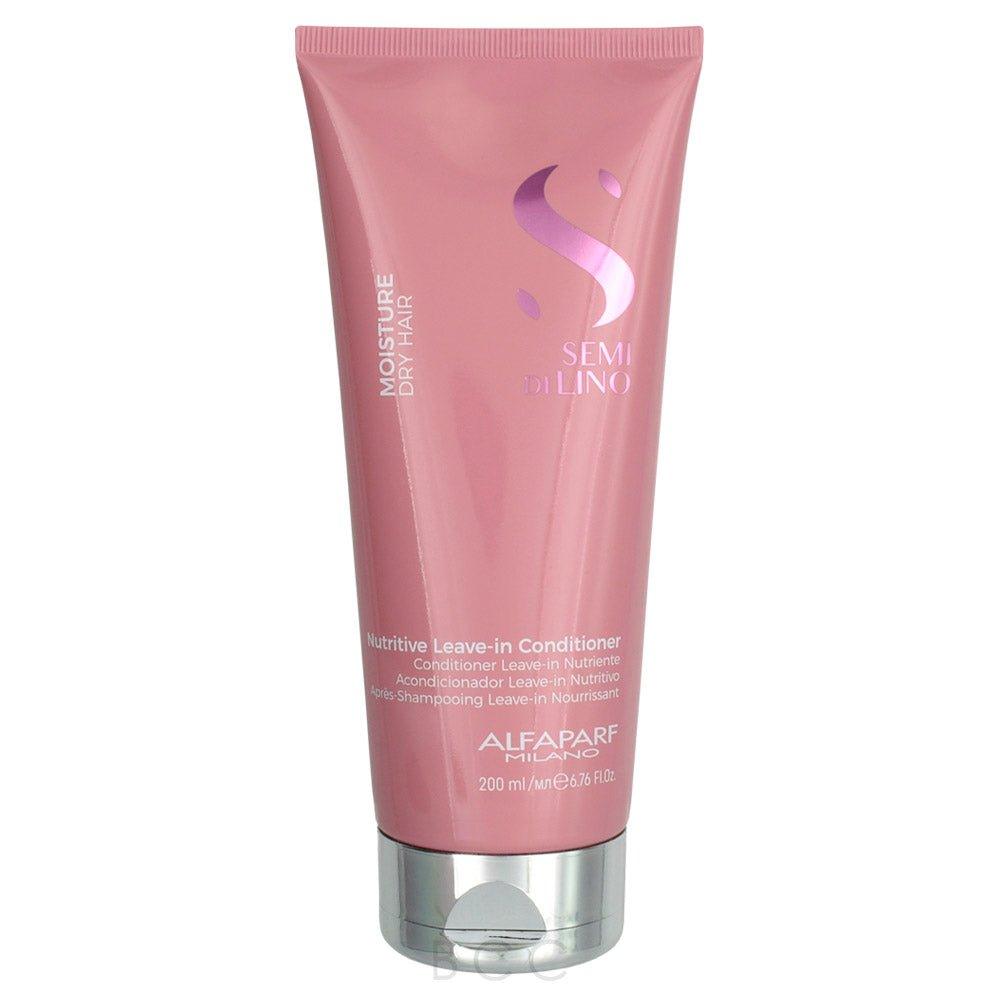
We switched her to Amika Soulfood Nourishing Mask for weekly deep conditioning and Alfaparf Milano Semi Di Lino Moisture Nutritive Leave-In Conditioner daily to seal in hydration. "My hair stays moisturized now," she said a month later. "I finally understand why nothing was working before. I was using lightweight products meant for low porosity hair."

The Porosity Test: How to Check at Home
Marlowe from Roseland asked the question I hear constantly. "How do I know which porosity I have?" she said. "I don't want to guess and buy the wrong products." I showed her the float test, the simplest way to check porosity at home.
"Take a clean strand of hair and drop it in a glass of water," I explained. "If it floats on top for several minutes, you have low porosity. If it floats briefly then slowly sinks, you have medium porosity. If it sinks immediately, you have high porosity." She tried it right there in the salon.
Her hair floated briefly then sank to the middle. Medium porosity. "This is so simple," she said. "Why didn't anyone tell me about this before?" Most people don't think about porosity until they have chronic problems that won't resolve with regular products.
When Porosity Changes Over Time
Elspeth from Wayne came in confused. "I used to have easy hair," she said. "But now nothing works. Same products, same routine, completely different results." I looked at her history. She'd been getting balayage for three years, progressively lighter each time.
"Your porosity changed," I explained. "You started with low or medium porosity virgin hair. Years of lightening damaged your cuticle and pushed you toward high porosity. Your old products don't work anymore because your hair's needs changed." We did the float test. Her hair sank immediately.
"So I can't go back to low porosity?" she asked. Not really. Once the cuticle is damaged, it stays damaged until you cut it off and grow out virgin hair. But you can improve high porosity hair's condition with protein treatments and proper moisture sealing.
Product Selection Based on Porosity
Tierney from Fairfield kept buying products that didn't work. "I spent $200 at Sephora on hair masks and oils," she said. "But my hair still looks terrible. What am I doing wrong?" I looked at her purchases. All lightweight, low porosity products for her obviously high porosity hair.
"You bought products for the opposite porosity type," I explained. "Low porosity hair needs lightweight products that can penetrate tight cuticles. High porosity hair needs heavy, rich products that seal damaged cuticles. You're using the wrong chemistry for your hair structure." The float test confirmed her high porosity.
Product selection rules are simple:
- Low porosity: lightweight liquids, heat for deep conditioning, avoid heavy oils that sit on top.
- Medium porosity: balanced products, maintain with regular conditioning, avoid over-processing.
- High porosity: rich creams and butters, leave-in products, protein treatments to temporarily patch damage.
Why Porosity Matters More Than Hair Type
Isolde from Caldwell asked an excellent question. "I thought hair type was about straight, wavy, curly, coily," she said. "Why does porosity matter more than curl pattern?" I explained that curl pattern describes shape while porosity describes internal structure and chemistry.
"You can have curly low porosity hair or straight high porosity hair," I told her. "Porosity determines which products will actually work, regardless of curl pattern. That's why two people with identical curl patterns can need completely different products." She had straight high porosity hair from years of keratin treatments.
Understanding porosity solves the mystery of why your curly-haired friend's holy grail product does nothing for your curly hair. You might have the same curl pattern but different porosity levels, requiring different product formulations.
Frequently Asked Questions About Hair Porosity
Can I change my hair porosity?
You can't change genetic low porosity to high porosity naturally, but damage from color, heat, and chemicals will increase porosity over time. High porosity can be temporarily improved with protein treatments that fill gaps in the cuticle, but permanent reversal requires cutting off damage and growing out healthy hair. At The Warehouse Salon in Fairfield, we help clients manage their current porosity while minimizing further damage.
Is low porosity hair healthy or damaged?
Low porosity is typically healthy, virgin hair with intact cuticles that lay flat. This is good for hair health but challenging for moisture absorption and color processing. High porosity is usually damaged hair with raised or broken cuticles. However, some people have naturally high porosity even without damage.
Why do products work for my friend but not for me?
Different porosity levels. Your friend might have low porosity hair that needs lightweight products while you have high porosity hair that needs rich, heavy products. Recommending products based on results alone without considering porosity is why so many "holy grail" recommendations fail. At The Warehouse Salon, we match products to porosity first, then hair type.
How often should high porosity hair be deep conditioned?
High porosity hair needs weekly deep conditioning minimum, some clients benefit from twice weekly. Because high porosity hair loses moisture quickly, frequent deep conditioning with heat helps temporarily seal the cuticle and restore hydration. We also recommend daily leave-in conditioners to continuously seal moisture throughout the week.
Does New Jersey's hard water affect porosity?
Yes, Fairfield's hard water deposits minerals on hair that can make low porosity hair even more resistant to moisture and make high porosity hair feel drier. Regular clarifying treatments remove mineral buildup. We recommend chelating shampoos monthly for all porosity types in our area to combat hard water effects.
Ready to Understand Your Hair?
If you're tired of products that don't work and want to understand why your hair behaves the way it does, come see me at The Warehouse Salon in Fairfield. I'll help you determine your porosity type, explain why your current products are or aren't working, and set you up with a routine that actually makes sense for your hair structure.
I've spent 12 years matching products to porosity levels, and it's the single most important factor in product success. Once you understand whether you have low, medium, or high porosity hair, product selection becomes logical instead of expensive trial and error. We'll do the float test together, examine your hair history, and create a customized routine.
We're located at 1275 Bloomfield Ave Building 1 Unit 3, Fairfield, NJ 07004. Call us at 973-500-4536 or shop our porosity-appropriate products at The Warehouse Salon.
You may also book an appointment with us online.
Let's figure out your porosity type and finally get you the products that will actually work for your specific hair structure.
— Jessica LaFerrara, The Warehouse Salon
Leave a comment