


Hair Myths Debunked: I’m Done Falling for These Tall Tales
After 5 years behind the chair correcting damage caused by hair myths, I can tell you the most persistent ones: trimming makes hair grow faster (it doesn't, growth happens at follicles not ends), wearing hats causes baldness (genetics and hormones do, not fabric), brushing 100 strokes daily creates shine (it creates breakage), cold water makes hair shinier (lukewarm works fine), products fix split ends (only scissors do), and oily scalp means skip conditioner (ends still need moisture). These myths waste money on ineffective products and create preventable damage I see daily at The Warehouse Salon.
Hi, I'm Jessica LaFerrara, and in my 5 years specializing in color and creative techniques at our The Warehouse Salon in Fairfield, I spend significant appointment time undoing damage caused by these myths. Clients come in with over-processed ends from excessive trimming, breakage from aggressive brushing, or dry lengths from skipping conditioner. When I ask about their home routine, they describe practices based on outdated advice passed down through generations or found on social media. My role extends beyond color application to education about what actually works versus what sounds good but causes harm.
In this guide: I'll debunk six persistent hair myths using real client stories showing the damage these beliefs caused, explain the actual science behind hair growth, structure, and health using professional terminology, provide evidence-based alternatives with proper technique instruction, recommend specific products based on hair type and Fairfield's hard water conditions, and answer common questions about separating hair care facts from fiction.
Myth 1: Trimming Makes Your Hair Grow Faster
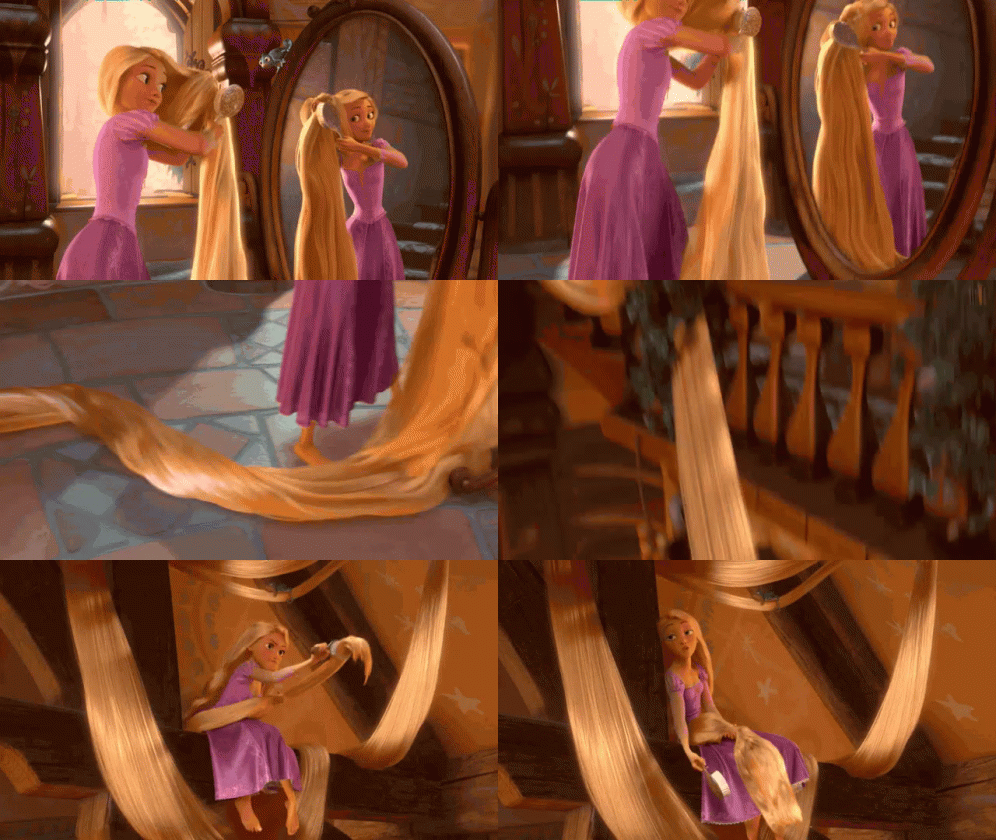
The Myth: Regular trims every 4-6 weeks accelerate hair growth, helping you achieve long hair faster.
The Reality: Hair growth occurs at the follicle in your scalp, not at the ends. Average growth rate is 0.5 inches monthly (6 inches yearly), determined by genetics, nutrition, and hormones. If your hair grows 0.5 inches monthly and you trim 0.25 inches monthly, net growth is 0.25 inches monthly (3 inches yearly). Skip trims entirely and you'd gain 6 inches yearly, but with damaged ends that eventually break off.
What trims actually do: remove split ends before they travel up the shaft, eliminate single-strand knots causing breakage, remove weathered ends that tangle, and create healthier appearance.
Calliope wanted to grow her hair to waist-length for her August wedding. She'd been getting trims every 4 weeks because "that's what makes it grow." I explained growth rate reality and adjusted to trims every 10-12 weeks, removing only 0.25-0.5 inches. Between January and August, she gained 2.5 inches versus the 1 inch she would have gained with monthly trims.


Product Recommendation: milk_shake Integrity Shampoo with muru muru butter strengthens hair shaft, reducing breakage that necessitates frequent trimming. Pair with milk_shake Integrity Intensive Treatment weekly for ends protection.
Myth 2: Wearing Hats Causes Hair Loss

The Myth: Wearing hats regularly suffocates hair follicles, restricting blood flow and causing permanent baldness.
The Reality: Hair follicles receive oxygen and nutrients from blood vessels in the scalp dermis, several millimeters below the surface. A hat sitting on your head doesn't affect blood supply. Male pattern baldness is caused by genetic sensitivity to DHT, not fabric. Female hair loss stems from hormonal changes, nutritional deficiencies, or stress, not headwear.
However, hats CAN cause traction alopecia from tight ponytails worn under hats (tension damages follicles), and hygiene issues if hats aren't washed regularly (sweat and bacteria accumulate).
Thaddeus, a construction worker wearing a hard hat daily, came in concerned about temple thinning. Examination revealed his pattern matched male pattern baldness, not traction alopecia. I explained his hat wasn't causing loss, but daily sweat accumulation was causing scalp inflammation. I recommended washing hair daily after work. His scalp inflammation cleared within 3 weeks.

Product Recommendation: Kenra Clarifying Shampoo removes sweat, oil, and product buildup that accumulates under hats. Use 2-3 times weekly if you wear hats daily.
Myth 3: You Should Brush Your Hair 100 Strokes a Day

The Myth: Brushing hair 100 strokes daily distributes natural oils, increases shine, and promotes healthy growth.
The Reality: This advice originated in the Victorian era when people washed hair monthly, making oil distribution necessary. Modern hair care makes this practice obsolete and harmful. Excessive brushing causes cuticle roughening, breakage at weak points, and split end formation.
Beneficial brushing varies by hair type. Straight, low-porosity hair: 10-15 gentle strokes with boar bristle brush. Wavy or curly hair: brush only when wet with conditioner applied. Fine hair: 5-10 strokes with soft bristles.
Eulalia has fine hair that she was brushing morning and night, 50 strokes each session. When she came in for highlights, I noticed significant mid-length breakage and rough cuticles under magnification. We reduced to 10 gentle strokes once daily with milk_shake Whipped Cream for detangling. Six weeks later, her breakage decreased noticeably.
Myth 4: Cold Water Makes Your Hair Shinier

The Myth: Rinsing hair with ice-cold water closes cuticles completely, creating mirror-like shine.
The Reality: Water temperature affects cuticle position. Hot water (above 100°F) causes cuticles to lift. Cold water helps cuticles lie flatter. However, the difference between cold (60°F) and cool (75°F) is minimal. Lukewarm to cool water provides benefits without discomfort.
What creates actual shine: smooth, closed cuticles that reflect light uniformly, adequate moisture content, and light-reflecting products. Temperature is one small factor.
For color-treated hair, temperature matters more. Hot water allows color molecules to escape faster, while cool water helps seal color inside. This is why I recommend cool final rinses for color clients.


Seren came in complaining her blonde highlights looked dull. She washed in very hot water. I explained hot water was lifting cuticles and stripping toner. We switched to lukewarm washing with cool final rinse, plus Amika The Kure Bond Repair Shampoo and weekly Amika The Kure Intense Bond Repair Mask. Four weeks later, her blonde looked noticeably brighter.
Myth 5: You Can Fix Split Ends with Products Alone

The Myth: Serums, oils, and specialized treatments can permanently repair split ends, eliminating the need for trims.
The Reality: Hair is dead tissue composed of keratin protein. Once the cuticle splits, exposing the inner cortex, the damage is permanent. Living tissue like skin can heal. Dead tissue like hair cannot. Products can temporarily seal split ends with proteins or silicones, making them less visible for 1-2 days, but this doesn't constitute repair.
The only permanent solution is cutting. Prevention is more effective: minimize heat styling damage, reduce chemical processing, protect from environmental damage, and trim regularly (every 8-12 weeks).
Isolde came in excited about a "miracle serum" that promised to "weld split ends permanently." I showed her under magnification that while the serum made splits less visible, the structural damage remained. I explained that Olaplex No.3 Hair Perfector strengthens internal bonds (helping prevent future splitting), but cannot reconnect split cuticles. We trimmed 2 inches, then started prevention with Olaplex weekly and heat styling below 350°F.
Myth 6: Oily Hair Doesn't Need Conditioner
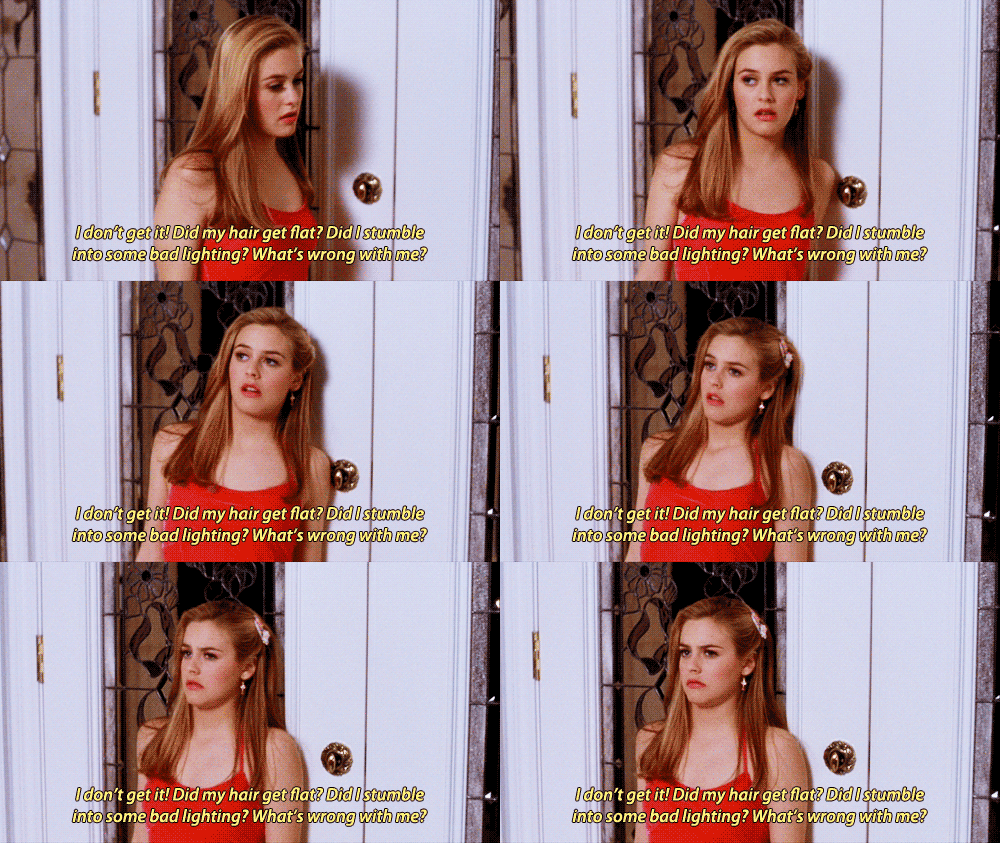
The Myth: If your scalp produces excess oil, skip conditioner entirely to avoid making hair greasier.
The Reality: Scalp oil production and hair moisture needs are separate issues. Sebaceous glands produce sebum that travels down the hair shaft. In people with oily scalps, sebum production is high (often from genetics, hormones, or over-washing). However, this scalp oil typically reaches only the first 2-4 inches from roots. Mid-lengths and ends remain dry regardless of scalp oiliness.
The solution is strategic application: cleanse scalp thoroughly, never apply conditioner to scalp or roots, apply conditioner generously from mid-lengths to ends, and consider leave-in treatments only on ends if needed.
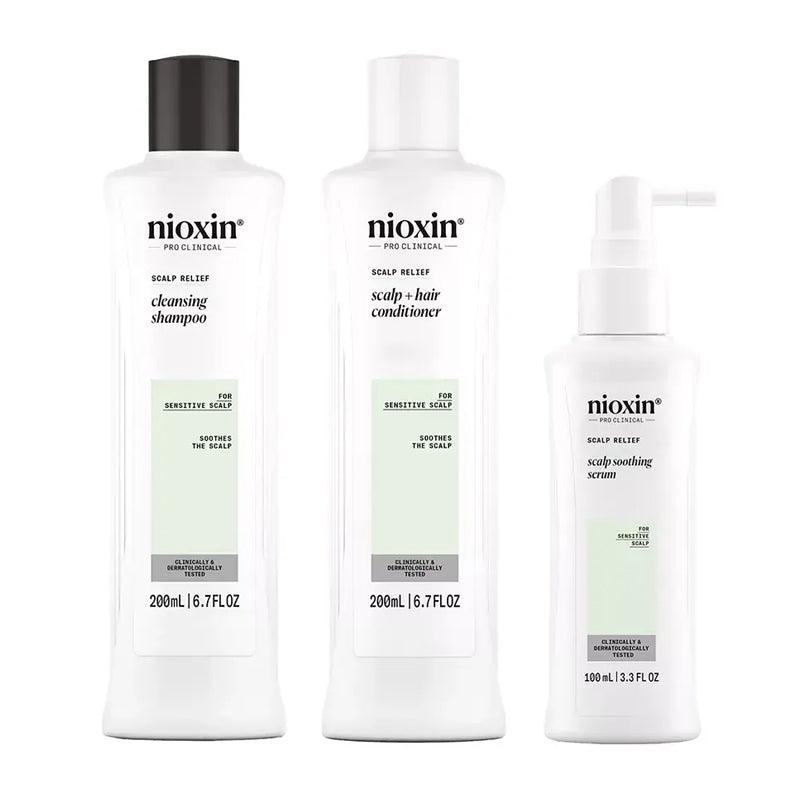
Meridian has an oily scalp requiring daily washing, but her shoulder-length hair had dry, rough ends. She'd been skipping conditioner entirely. I explained the zone approach: Nioxin Scalp Relief Shampoo for her scalp, and milk_shake Daily Frequent Conditioner from ears down only. Two weeks later, her roots stayed clean longer and her ends felt soft.
Common Questions About Hair Myths in Fairfield
How do I know which hair advice is legitimate versus myth?
Ask yourself these questions: Does this claim defy basic biology (like products healing dead tissue)? Does it promise unrealistic results (like doubling growth rate)? Does it come from a credible source with professional training? For Fairfield specifically, be skeptical of advice that doesn't account for our hard water (250-350 ppm minerals), which requires chelating shampoo and affects how products perform. If advice seems too good to be true or contradicts basic hair science (like hair being dead tissue that can't heal), consult with a licensed stylist who can provide evidence-based guidance.
Why do these myths persist if they're not true?
Hair myths persist because they contain kernels of truth that get distorted. Trimming does create the appearance of healthier hair (by removing damaged ends), which people misinterpret as faster growth. Cold water does affect cuticles slightly, which gets exaggerated into ice-cold being necessary. Anecdotal evidence ("my grandmother did this and had beautiful hair") ignores other factors like genetics, less chemical processing in past generations, or confirmation bias. Social media amplifies myths because dramatic claims get more engagement than nuanced truth. Professional education is the solution.
How often should I actually trim my hair?
For optimal length retention in Fairfield: fine hair with minimal heat styling: every 10-12 weeks (removing 0.25-0.5 inches), medium to thick hair with moderate heat styling: every 8-10 weeks (removing 0.5 inches), chemically processed or heat-damaged hair: every 6-8 weeks (removing 0.5-1 inch). These intervals maximize length retention while preventing splits from traveling. Fairfield's hard water causes more cuticle damage than soft water areas, potentially requiring slightly more frequent trims.
What causes hair loss, and when should I be concerned?
Normal shedding is 50-100 hairs daily (part of natural growth cycle where follicles rest, shed, then regrow). Concerning hair loss shows: noticeable thinning at scalp, widening part line, bald patches, more than 100-150 hairs lost daily, or sudden increase in shedding. Causes include: genetic (androgenetic alopecia, most common), hormonal (thyroid, postpartum, menopause), medical (autoimmune conditions, medications), nutritional (iron deficiency, protein deficiency), or stress (telogen effluvium). If you suspect abnormal loss, see your doctor first for medical evaluation, then consult a stylist about protective styling and products. Hats, brushing, and shampooing don't cause genetic or medical hair loss.
Can I repair my damaged hair, or do I need to cut it off?
It depends on damage type. Repairable with treatments: dehydration (deep conditioning), mild cuticle damage (bond builders), color fade (toning). Not repairable, requires cutting: split ends (dead tissue can't heal), severe heat damage (melted proteins), chemical breakage (broken disulfide bonds), extreme porosity. During consultations, I assess damage under magnification and provide honest assessment: what percentage can be improved versus what needs removal. Usually we do combination: trim worst damage, then aggressive treatment for remaining hair.
Ready to Separate Hair Facts from Fiction?

Let's create an evidence-based haircare routine that actually works instead of following myths that waste money and damage hair. During your consultation at The Warehouse Salon, I'll assess your current hair condition and identify any damage from myth-based practices, explain the actual science behind hair growth, structure, and health using clear, accessible language, demonstrate proper techniques for washing, brushing, and styling that prevent damage, recommend products based on your specific hair type and Fairfield's water conditions, and create realistic expectations for what products and techniques can and cannot achieve.
Come see us at 1275 Bloomfield Ave Building 1 Unit 3, Fairfield, NJ 07004. Give us a call at 973-500-4536 to schedule your consultation.
We can't wait to help you achieve healthy, beautiful hair using evidence-based practices rather than persistent myths that undermine your hair goals.
Leave a comment