


Dry Shampoo Addicts Anonymous: The Right Way to Fake Fresh Hair
Dry shampoo absorbs oil at the roots by using starches or powders that soak up sebum, but overuse causes buildup that clogs follicles, creates flaky scalp, and makes hair look dull and lifeless. The most common dry shampoo mistakes are applying too close to the scalp (creating white residue), using it as a complete replacement for washing (causing buildup), or applying after hair already looks greasy instead of preventatively. Success with dry shampoo comes from proper application technique, using it to extend washes by 1-2 days maximum (not indefinitely), and understanding that it's a temporary solution that cannot replace actual cleansing.
Hey, it's Jessica LaFerrara from The Warehouse Salon in Fairfield, NJ. I've spent 12 years behind the chair, and dry shampoo overuse is causing scalp problems for more clients than ever. Most people use it incorrectly, apply it too frequently, and don't understand why their hair looks terrible despite "washing" with dry shampoo daily.
In this guide: Real clients from Fairfield and Essex County who learned the right and wrong ways to use dry shampoo, how to tell when you've crossed from helpful to harmful use, and realistic expectations about what dry shampoo can and cannot do.
When Dry Shampoo Becomes the Problem
Prudence from West Caldwell came in with terrible scalp buildup. "I haven't washed my hair in 2 weeks," she said proudly. "I just use dry shampoo every day instead." Her scalp was covered in white, flaky buildup and her hair looked dull despite all the dry shampoo.
"Dry shampoo absorbs oil but doesn't remove it," I explained. "All that oil plus the dry shampoo powder is sitting on your scalp, clogging your follicles and creating this buildup. You can't replace washing with dry shampoo. It's meant to extend time between washes by 1-2 days, not replace washing entirely." She thought she was being clever by avoiding water.
We did a clarifying treatment to remove all the buildup. "I had no idea I was damaging my scalp," she said. "I thought dry shampoo was just as good as washing. Now I understand it's a temporary fix, not a replacement." She went back to washing every 3 days with dry shampoo only between washes.
Application Distance Creates White Residue
Leonora from Caldwell had constant white powder in her dark hair. "Every time I use dry shampoo, I look like I have dandruff," she said. "But people say it works great for them. What am I doing wrong?" She was spraying it directly onto her scalp from 2 inches away.
"You're applying it too close," I explained. "When you spray from very close range, you get concentrated powder deposits that don't absorb oil, they just sit on your hair as visible white residue. You need to hold the bottle 6-8 inches away so the spray disperses before hitting your hair." She'd never known distance mattered.
We practiced proper application distance. "There's no white residue now," she said. "The powder is actually invisible when I spray from the right distance. I've been doing this wrong for years, creating the dandruff look I was trying to avoid."
For preventative oil control that absorbs before hair gets greasy, Amika Perk Up Dry Shampoo is perfect for freshening up without weighing hair down.

Section by Section vs Random Spraying
Francesca from Montclair complained her dry shampoo didn't work. "I spray it all over my head but my roots still look oily," she said. "Am I using a bad brand?" I watched her demonstration. She was spraying randomly over her whole head without sectioning or targeting roots.
"You're not getting product to your roots where the oil actually is," I explained. "You need to section your hair into parts, lift each section, and spray directly at the roots where oil accumulates. Random spraying over the surface misses the oily roots entirely and wastes product on lengths that don't need it." She'd been using dry shampoo for years without proper technique.
We practiced sectioning: part hair in rows, lift each section, spray roots, move to next section. "My roots actually look clean now," she said. "I was wasting so much product spraying it into the air instead of at my oily roots. Sectioning makes all the difference."
Waiting Time Matters
Gabrielle from Roseland sprayed dry shampoo and immediately brushed it through. "Why doesn't this absorb oil?" she asked. "It just makes my hair look powdery without fixing the grease." She wasn't giving it time to work.
"Dry shampoo needs 3-5 minutes to absorb oil," I explained. "If you brush it out immediately, you're removing it before it can do its job. Spray it on, wait while you do your makeup or get dressed, then brush it out once it's had time to absorb the oil." She was too impatient.
She tried waiting 5 minutes before touching it. "This actually works now," she said. "The oil is absorbed instead of just mixing with powder. I didn't realize I needed to give it time. I was rushing through every morning and ruining the effectiveness."
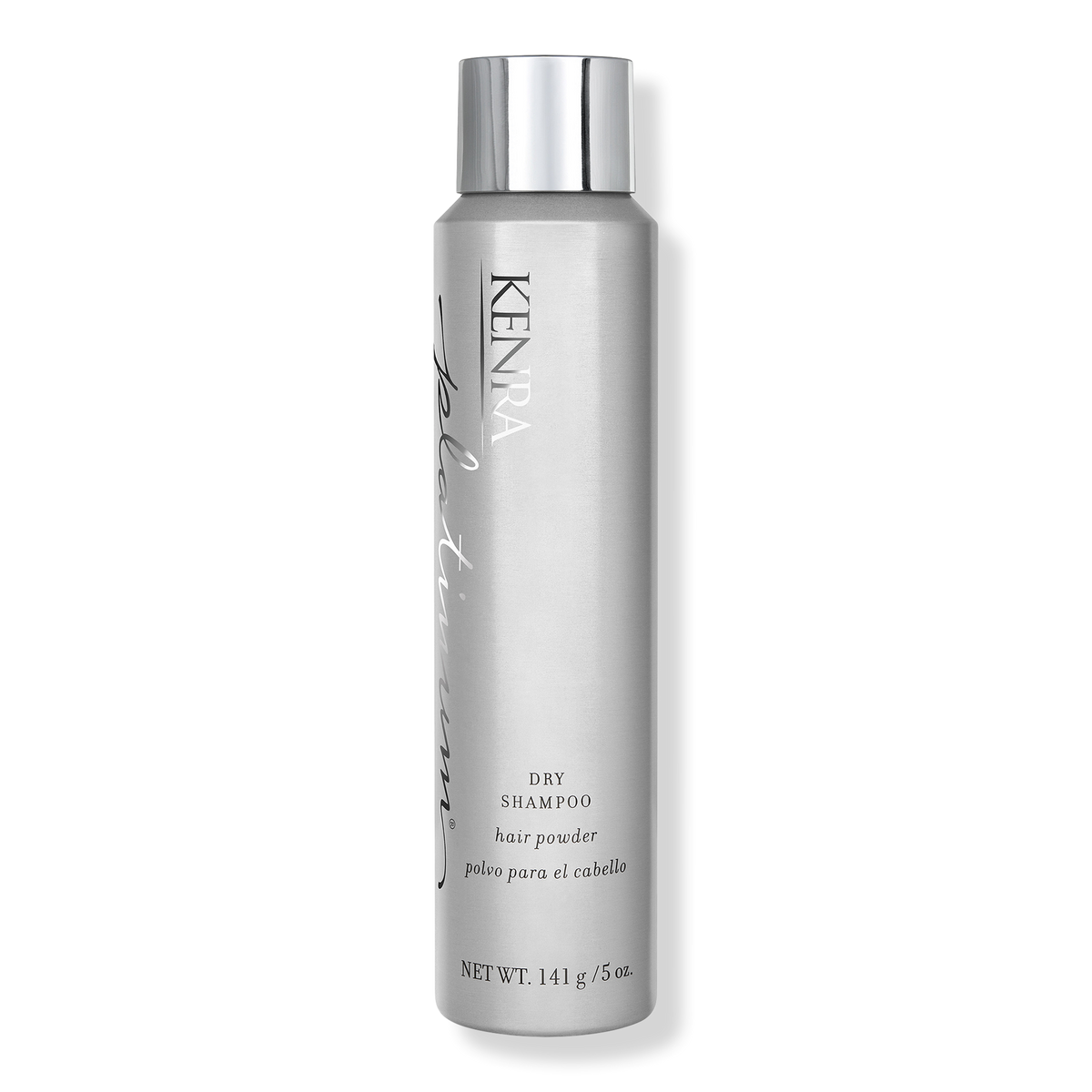
Try Kenra Platinum Dry Shampoo for an ultra-lightweight, no-chalky-finish look.
Buildup from Daily Overuse
Cassandra from Wayne used dry shampoo every single day without washing. "My hair feels thick and heavy," she said. "And it's itchy and flaky at my scalp. But I'm using dry shampoo to keep it clean." She hadn't actually washed her hair in 10 days.
"You have severe buildup from daily dry shampoo use without washing," I explained bluntly. "Dry shampoo, dead skin cells, oil, and product are all layered on your scalp. No amount of dry shampoo will fix this. You need to actually wash your hair with water and shampoo to remove this buildup." She looked horrified at the thought of washing.
After a clarifying wash, her scalp looked and felt completely different. "I didn't realize how disgusting my scalp was under all that dry shampoo," she admitted. "I thought I was keeping it clean but I was just covering up the problem. Now I wash every 3 days and only use dry shampoo once between washes."
Choosing the Right Formula for Hair Color
Meredith has dark brown hair and kept using regular dry shampoo. "Why do I always have gray-looking roots after using this?" she asked, showing me her white-tinted roots. Standard dry shampoo formulas are white or clear and show up on dark hair.
"You need tinted dry shampoo for dark hair," I explained. "Regular formulas leave white residue that's visible on brunettes. Tinted versions come in shades that match dark hair so there's no white cast." She'd never known tinted versions existed.
We switched her to tinted dry shampoo for brunettes. "This is invisible on my hair," she said. "I've been walking around with gray-looking roots for years not knowing there were formulas made for dark hair. This changes everything."
Evening Application for Better Results
Tabitha rushed her dry shampoo routine every morning. "I never have time to let it sit," she said. "I spray it and run out the door. Then by afternoon my hair looks terrible again." Morning application plus rushing created poor results.
"Apply dry shampoo at night before bed," I suggested. "It has all night to absorb oil while you sleep. By morning, your hair looks fresher and you don't need to rush the process or wait for it to work." She'd never considered evening application.
She tried nighttime application for a week. "My hair looks so much better in the morning," she reported. "It's had 8 hours for the dry shampoo to absorb oil instead of 5 rushed minutes. Plus I save time in my morning routine. This is so much better."
Scalp Health vs Convenience
Rosemary came in with inflamed, itchy scalp. "I use dry shampoo 5-6 days straight between washes," she said. "But now my scalp hurts and I have flaky buildup." Scalp health was suffering from convenience prioritization.
"Your scalp needs regular cleansing with water to stay healthy," I explained. "Dry shampoo prevents you from cleaning your scalp properly. The buildup is clogging follicles, trapping bacteria, and creating inflammation. You're trading scalp health for convenience, and your scalp is suffering." She hadn't connected her scalp problems to dry shampoo overuse.
We created a washing schedule: wash every 3 days, dry shampoo only on day 2 between washes. "My scalp stopped hurting within a week," she said. "I didn't realize I was causing inflammation and potential hair loss by overusing dry shampoo. The convenience wasn't worth the scalp damage."
Frequently Asked Questions About Dry Shampoo in Fairfield
How often can I safely use dry shampoo?
Maximum 1-2 times between washes, extending your wash cycle by 1-2 days only. Using it daily or going more than 3-4 days without washing causes buildup that clogs follicles and creates scalp problems. At The Warehouse Salon in Fairfield, we recommend washing every 2-4 days depending on hair type, using dry shampoo only once or twice between those washes, not as a complete washing replacement.
Why does dry shampoo make my hair look white and powdery?
Either you're spraying too close to your hair (hold bottle 6-8 inches away for proper dispersion), using too much product, or using the wrong shade for your hair color (dark hair needs tinted dry shampoo). White residue means the powder isn't absorbing into oil, it's just sitting on your hair surface. Proper application technique and formula selection eliminate this problem.
Can dry shampoo cause hair loss?
Extended overuse can contribute to hair loss by clogging follicles with buildup that creates inflammation and prevents healthy hair growth. The dry shampoo itself doesn't cause loss, but the scalp environment created by never properly cleansing does. At The Warehouse Salon, we've seen clients with thinning related to months of dry shampoo overuse without adequate washing.
How long should I wait after applying before brushing it out?
Wait minimum 3-5 minutes for the powder to absorb oil before brushing or touching your hair. Immediate brushing removes the product before it can work. Some people get even better results waiting 10-15 minutes or applying at night and sleeping on it for maximum absorption time.
Is dry shampoo bad for your hair?
Used properly (1-2 times between regular washes), dry shampoo is fine. Used as a washing replacement (daily use, going week+ without washing), it causes buildup, scalp problems, dull hair, and potential inflammation. The product itself isn't bad, but overuse and improper application create problems. At The Warehouse Salon in Fairfield, we help clients find appropriate washing schedules that work for their lifestyle without relying too heavily on dry shampoo.
What's the maximum days I can go between washes using dry shampoo?
For most hair types, 3-4 days maximum between washes is realistic. Day 1: wash. Day 2: nothing needed. Day 3: dry shampoo. Day 4: dry shampoo if needed, but wash that evening. Going longer creates buildup regardless of dry shampoo use. Fine, oily hair may need washing every 2 days. Thick, dry hair might stretch to 4-5 days. Listen to your scalp, not arbitrary rules.
Ready for Realistic Hair Care Guidance?
If you're relying too heavily on dry shampoo and want to create a sustainable washing schedule that doesn't damage your scalp, come see me at The Warehouse Salon in Fairfield. I'll assess your current scalp health, help you determine appropriate wash frequency for your hair type, and teach you proper dry shampoo technique for the days you actually need it.
We're located at 1275 Bloomfield Ave Building 1 Unit 3, Fairfield, NJ 07004. Call us at 973-500-4536 to book your consultation. Let's create a realistic hair care routine that includes appropriate dry shampoo use without scalp damage.
Jessica LaFerrara, The Warehouse Salon
Leave a comment