


Curls, Cows, and Chaos: How to Tame a Stubborn Cowlick
Cowlicks are permanent hair growth patterns where hair grows in a circular or spiral direction opposite to surrounding hair, creating sections that stick up or refuse to lay flat regardless of styling effort. The most common cowlick locations are the crown, hairline, and nape, with severity varying from slight lift to complete hair standing on end. Managing cowlicks requires working with the growth pattern instead of fighting it, using proper blow-drying technique to redirect growth, or choosing haircuts that incorporate the cowlick into the style rather than exposing it.
Hey, it's Jessica LaFerrara from The Warehouse Salon in Fairfield, NJ. I've spent 12 years behind the chair, and cowlicks are one of the most frustrating hair issues clients face. Most people fight their cowlicks with the wrong techniques, making them more noticeable instead of managing them effectively.
In this guide: Real clients from Fairfield and Essex County who learned to manage their stubborn cowlicks, which techniques actually work versus which ones waste time, and when haircut placement matters more than styling products.
Crown Cowlicks That Won't Lay Flat
Rosemary from West Caldwell was frustrated with her crown cowlick. "No matter what I do, this section sticks straight up," she said, showing me the back of her head. "I spend 20 minutes trying to flatten it every morning and it pops up an hour later." She'd been fighting the growth pattern instead of working with it.
"You're blow-drying in the same direction the cowlick grows, which reinforces the upward direction," I explained. "You need to blow-dry it in the opposite direction while it's wet to reset the growth pattern temporarily. Once it's dry, you can style it normally." She'd never learned proper cowlick blow-drying technique.
We practiced blow-drying the cowlick forward while it was soaking wet, using tension with a round brush. "It actually stays flat now," she said at her 2-week follow-up. "I can't believe the direction I was blow-drying was making it worse. Blow-drying it opposite to the growth pattern changed everything."
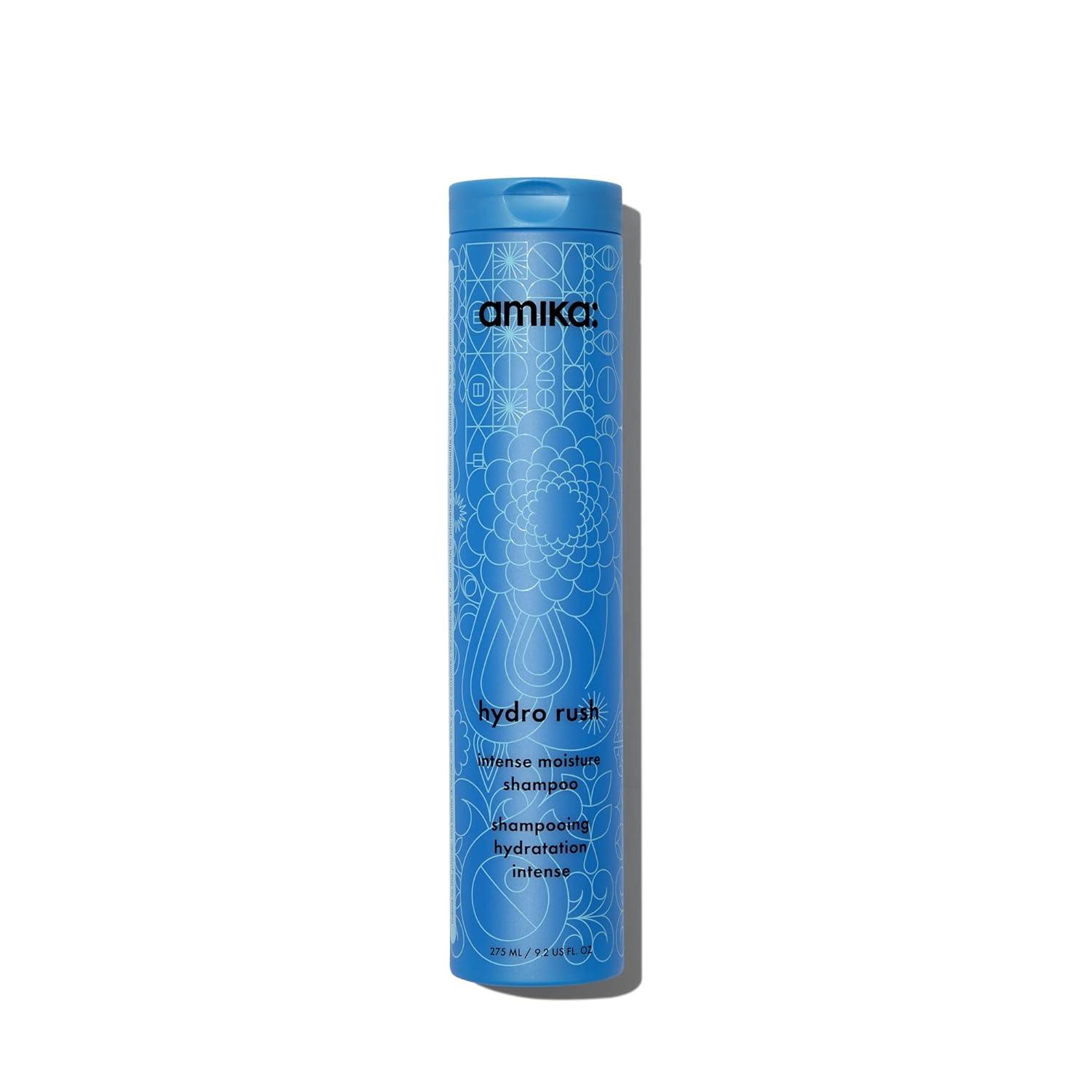
Start by wetting your hair thoroughly. Use Amika Hydro Rush Intense Moisture Shampoo to keep hair smooth and manageable from the start.
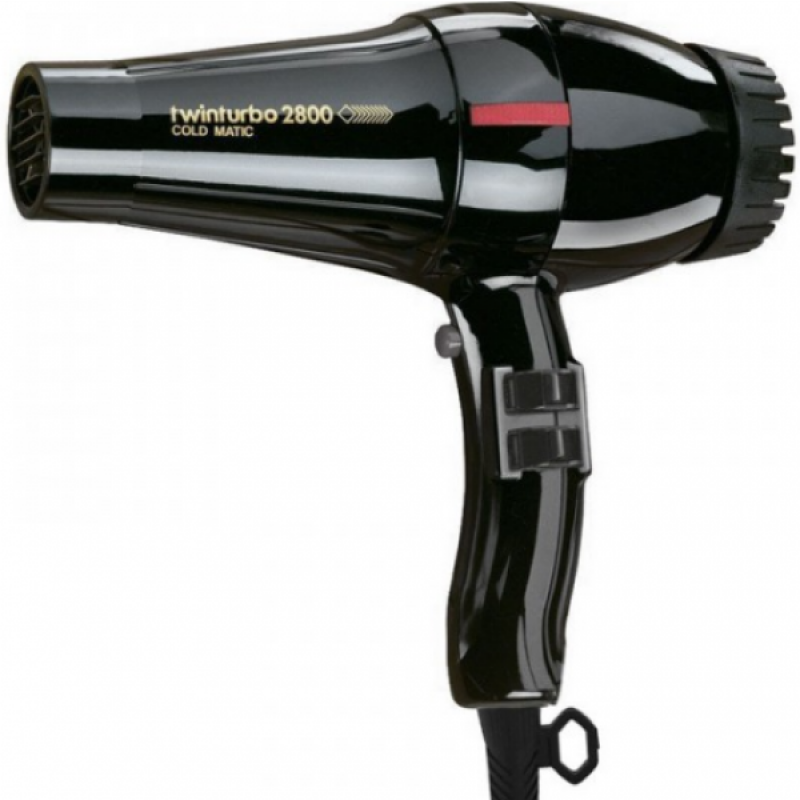
For blow-drying, Turbo Power No. 314 Twin Turbo 2800 Dryer is perfect for applying heat and tension in one step.
Hairline Cowlicks Creating Weird Bangs
Tabitha from Caldwell wanted bangs but had a hairline cowlick. "Every time I try to grow bangs, they stick up weird in one spot," she said. "Can I even have bangs with a cowlick?" Many people with hairline cowlicks assume bangs are impossible.
"Cowlicks don't prevent bangs, they just determine bang placement," I explained. "Your cowlick is here on the left side of your hairline. If we cut bangs that start exactly where your cowlick is, they'll stick up. If we start the bangs slightly to the right of your cowlick, they'll lay flat because we're working with the growth pattern instead of cutting across it."
We cut side-swept bangs that started right of her cowlick instead of center-parted bangs that would have exposed it. "The bangs lay perfectly flat," she said. "I didn't know cowlick placement could determine where bangs should start. This is the first time bangs have worked for me."
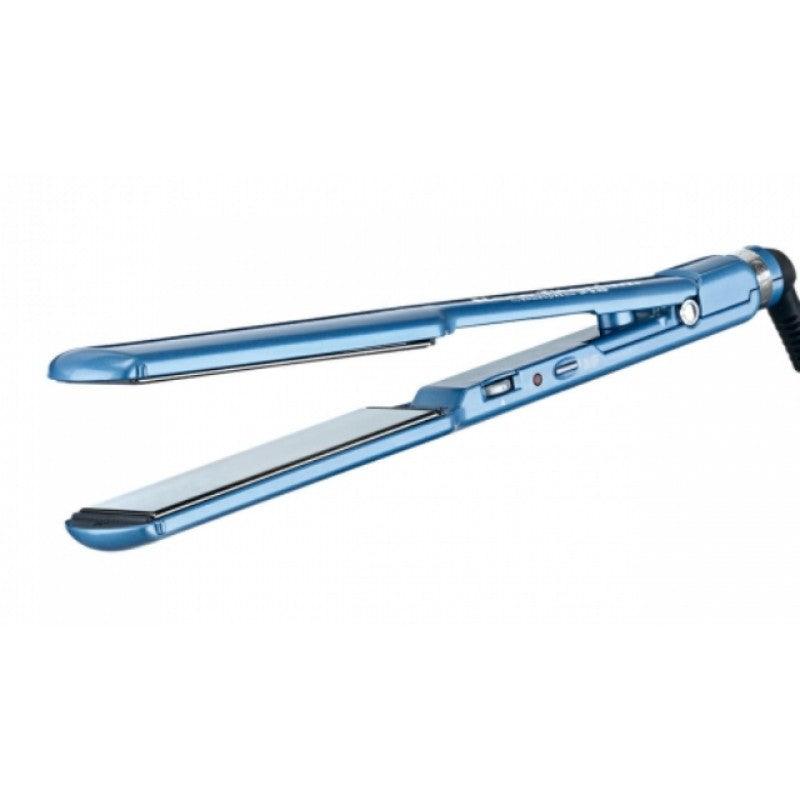
Once styled, use a flat iron to lock it into submission. The BabylissPro Nano Titanium Ultra Thin Straightener 1.5" offers even heat distribution and helps tame those rogue locks with minimal effort.
Double Crown Cowlicks
Meredith from Montclair has two crown cowlicks that spiral in opposite directions. "The back of my head is a disaster," she said. "Two cowlicks right next to each other creating this weird part that won't close. Nothing makes it lay flat." Double cowlicks are significantly harder to manage than single ones.
"Double cowlicks create a natural part between them that you can't eliminate," I explained. "Fighting it makes it more noticeable. Your options are either keep hair long enough that the weight pulls it flat, or cut it short enough that the cowlicks create intentional texture instead of awkward lift." She'd been trying to keep it medium length, which emphasized the problem.
We cut her hair shorter, creating a textured pixie where the cowlicks added volume instead of creating awkward lift. "This is genius," she said. "The cowlicks that ruined my long hair actually make my short hair look better because they create natural texture. I should have cut it short years ago."
Nape Cowlicks and Bob Cuts
Cassandra from Roseland wanted a bob but had a nape cowlick. "Every time I get a bob, the back flips out weird," she said. "One side flips under, one side flips out. It looks terrible." Her previous stylist had cut a blunt bob without considering her nape cowlick.
"Your nape cowlick grows to the left," I explained. "When you cut a bob at nape level, you're cutting right through the cowlick's growth pattern. That section will always flip out because the hair is growing sideways. You need either a longer bob that sits below the cowlick, or an angled bob that doesn't have length right at the cowlick level." She'd never had anyone explain this.
We cut an angled bob that was longer in front and shorter in back, with the shortest point above her nape cowlick. "The back lays flat for the first time ever," she said at her 3-week follow-up. "Every previous bob flipped weird because stylists cut right through my cowlick. Placing the cut above it solved everything."
Cowlicks and Part Placement
Gabrielle from Wayne wanted a center part but her crown cowlick made it impossible. "I try to part my hair down the middle but it keeps falling to the side," she said. "Can I force it to stay center?" Her cowlick determined her natural part location.
"Your crown cowlick creates a natural side part on the right," I explained. "Fighting it with a center part means constant maintenance because you're working against your hair's natural growth direction. You can force a center part with products and blow-drying, but it will fall back to the side by midday. Easier to embrace the side part your cowlick creates." She thought center parts looked more modern.
We styled her with a deep side part that followed her cowlick's natural direction. "This is so much easier than fighting for a center part that only lasted an hour," she said. "And honestly, the side part looks better on my face shape anyway. I was forcing the wrong part location."
If you need strong hold to maintain styling, Kenra Volume Spray 25 provides all-day hold without looking stiff.

When Products Can't Fix Growth Patterns
Leonora from Nutley bought every smoothing and anti-frizz product available. "I have every expensive serum and cream," she said. "But my cowlick still sticks up. Do these products even work?" She'd spent hundreds of dollars trying to buy her way out of a growth pattern problem.
"Products can't change hair growth direction," I explained bluntly. "Your cowlick sticks up because of how the follicle is angled in your scalp. No amount of serum or cream will change the angle of your hair follicles. You need technique and potentially a haircut change, not more products." She was disappointed but needed the truth.
We worked on proper blow-drying technique with the products she already owned. "I can't believe I spent all that money on products when the real solution was technique," she said. "The products help with shine and smoothness, but they never could have changed my cowlick's growth direction. I wish someone had told me that sooner."
Strategic Haircuts That Work With Cowlicks
Francesca from Verona had fought her crown cowlick her entire life. "I keep my hair long hoping the weight will flatten it," she said. "But it still sticks up and I'm tired of long hair." Long hair can help but isn't guaranteed to solve cowlick problems.
"Long hair adds weight, but if your cowlick is strong enough, length won't fix it," I explained. "Sometimes shorter cuts that create texture actually make cowlicks less noticeable because the lift looks intentional instead of accidental. Your cowlick might work better in a short, textured cut than in long, smooth hair where any lift looks wrong." She was nervous about cutting length.
We cut a textured lob with layers that made her cowlick's volume look intentional. "This is the first haircut where my cowlick isn't a problem," she said. "In long hair, any lift looked like a styling failure. In this textured cut, the lift looks like it's supposed to be there. I should have done this years ago."
To add texture and disguise cowlicks, try KMS Hair Play Dry Texture Spray to add volume and texture while distracting from your cowlick's antics.

For a tousled, intentionally messy look, Amika Un.Done Volume and Matte Texture Spray will help you achieve that "I woke up like this" vibe.

Frequently Asked Questions About Cowlicks in Fairfield
Can cowlicks be permanently removed or fixed?
No, cowlicks are determined by the angle of your hair follicle in your scalp and cannot be permanently changed without destroying the follicle entirely. They're genetic growth patterns you're born with. At The Warehouse Salon in Fairfield, we teach clients to work with their cowlicks through proper styling technique and strategic haircut placement rather than promising fixes that don't exist.
What's the best way to blow-dry a cowlick flat?
Blow-dry the cowlick in the opposite direction from its natural growth while hair is soaking wet, using tension with a round brush. If your cowlick grows upward, blow-dry it downward. If it grows to the left, blow-dry it to the right. Once dry, you can style it normally and it will lay flatter because you've temporarily reset the growth direction.
Do certain haircuts work better for cowlicks?
Yes, haircut length and placement matter significantly. Crown cowlicks may work better with longer hair (weight pulls them flat) or shorter textured cuts (lift looks intentional). Hairline cowlicks require bangs that start away from the cowlick location. Nape cowlicks need bob cuts that don't end exactly at the cowlick level. At The Warehouse Salon, we analyze cowlick location before recommending cuts.
Why does my cowlick seem worse some days than others?
Humidity, how you slept, and whether you blow-dried it properly when wet all affect cowlick severity. If you sleep on your cowlick wrong, it can set in an even worse direction overnight. If you skip blow-drying and let it air-dry, it sets in its natural (problematic) direction. Consistency in styling technique helps maintain cowlick management.
Can products help manage cowlicks?
Products provide hold and smoothness but cannot change hair growth direction. Styling cream or gel can help keep a properly blow-dried cowlick in place longer, but they can't fix a cowlick you didn't blow-dry correctly when wet. At The Warehouse Salon in Fairfield, we emphasize technique over products because technique addresses the root cause while products just help maintain the results.
Should I just shave my cowlick area?
No, shaving creates stubble that sticks straight up even more noticeably as it grows back. The solution is proper styling technique, strategic haircut placement, or choosing styles where the cowlick's lift looks intentional rather than accidental. Shaving creates more problems than it solves.
Ready to Finally Manage Your Cowlick?
If you're tired of fighting your stubborn cowlick every morning and want to learn techniques that actually work with your growth pattern instead of against it, come see me at The Warehouse Salon in Fairfield. I'll show you proper blow-drying technique for your specific cowlick location, recommend haircut lengths and placements that work with your growth pattern, and set realistic expectations about what's manageable versus what requires daily maintenance.
We're located at 1275 Bloomfield Ave Building 1 Unit 3, Fairfield, NJ 07004. Call us at 973-500-4536 to book your consultation. Let's figure out how to manage your cowlick realistically instead of fighting it with techniques that don't work.
- Jessica LaFerrara, The Warehouse Salon
From the team at The Warehouse Salon in Fairfield, NJ. Questions? Book a free consultation or call (973) 500-4536.
Leave a comment